What Is Emo? Music, Style and Culture Explained
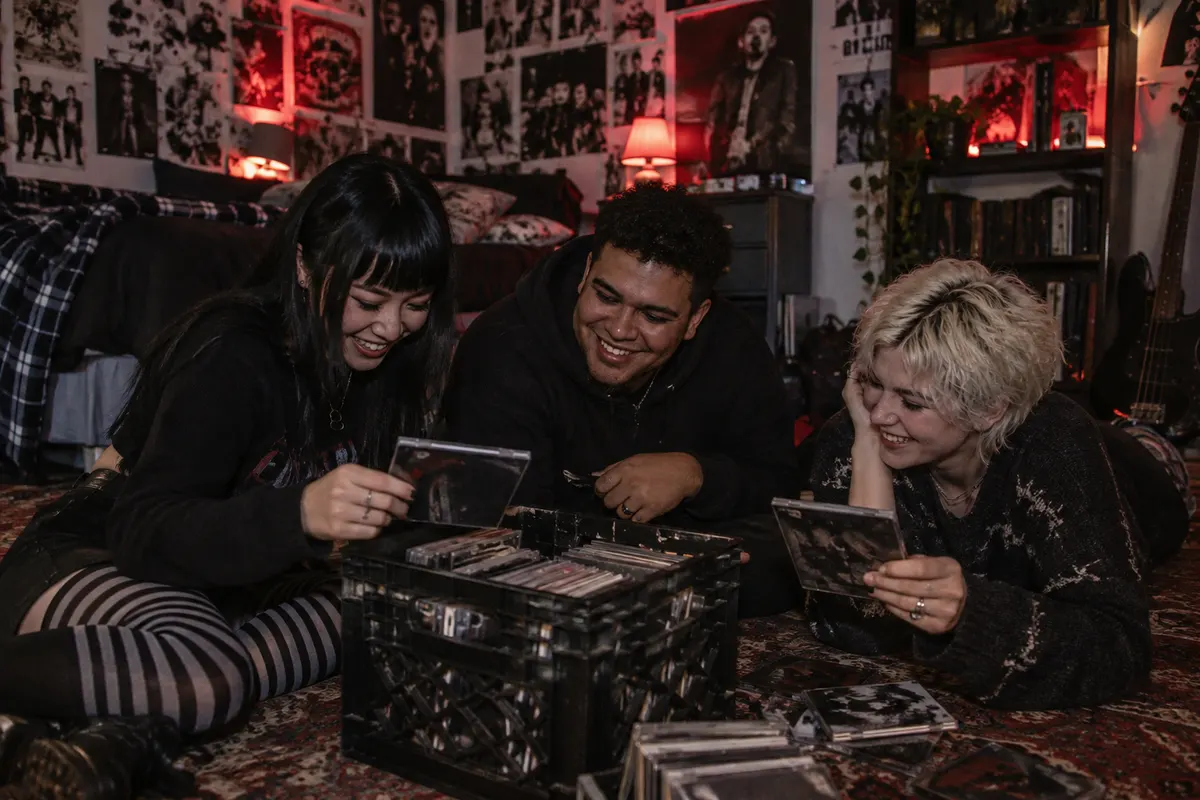
Ask ten people "what is emo?" and you'll get ten answers. One person pictures a side fringe and a studded belt in 2006. Another thinks of a twinkly guitar band from Illinois. Someone else goes straight to a Washington, D.C., basement in 1985. The fun part is that they're all right.
Emo is a music genre, a style and a whole culture, and it's been reinventing itself for about forty years. Here's the friendly, accurate version of the story.
The short answer
Emo is a style of rock music that grew out of punk and hardcore. The name is short for "emotional," from "emotional hardcore" or "emocore." Emo songs tend to be personal and heartfelt, with big swings between quiet and loud parts. Over time, emo also became a fashion and a social scene, especially in the 2000s.
A quick history of emo
The 1980s: Washington, D.C.
Emo started in the mid-1980s in the D.C. hardcore punk scene. Some bands wanted to keep punk's energy but make it more personal and less macho. The big names are Rites of Spring and Embrace, both connected to the D.C. label Dischord Records. The summer of 1985 in that scene is often called "Revolution Summer."
People started calling this sound "emocore." Many of the bands didn't love the label, which became an emo tradition that lasted for decades.
The 1990s: Midwest emo and the indie years
In the 90s, emo moved into indie rock and spread across the US. Some key bands:
- Sunny Day Real Estate from Seattle, whose 1994 album Diary is a cornerstone of the genre
- Jawbreaker, whose punk songwriting influenced a huge number of emo bands
- Cap'n Jazz, The Promise Ring and Braid, central to the Midwest sound
- Mineral and Texas Is the Reason, beloved for their big, emotional guitar songs
- The Get Up Kids, whose Something to Write Home About (1999) is a fan favorite
- American Football, whose 1999 self-titled album defined twinkly "Midwest emo" guitar
This era also had a heavier, more chaotic cousin: screamo, with bands like Orchid and Saetia.
The 2000s: emo goes mainstream
Around the turn of the millennium, emo broke big. Jimmy Eat World had a mainstream hit with "The Middle" from Bleed American (2001). Dashboard Confessional made acoustic emo a sing-along phenomenon. Then the floodgates opened:
- Thursday – Full Collapse (2001)
- Taking Back Sunday – Tell All Your Friends (2002)
- Brand New – Deja Entendu (2003)
- My Chemical Romance – Three Cheers for Sweet Revenge (2004) and The Black Parade (2006)
- Fall Out Boy – From Under the Cork Tree (2005)
- Panic! at the Disco – A Fever You Can't Sweat Out (2005)
- Paramore – Riot! (2007)
Some of these bands sit closer to pop punk or post-hardcore, and several of them rejected the "emo" label outright. Fans called them emo anyway, and the name stuck.
This was also the era of MySpace, Hot Topic and the Vans Warped Tour, the traveling summer festival that became a rite of passage for a lot of emo kids.
The 2010s and beyond: the revival
In the early 2010s, a wave of newer bands brought back the 90s Midwest sound, and fans called it the "emo revival." Later in the decade and into the 2020s, the big 2000s bands came roaring back too. We cover all of that in our post on the emo revival.
What does emo sound like?
Emo covers a lot of ground, but you'll often hear:
- Personal lyrics about relationships, friendships, hometowns and growing up
- Loud-quiet dynamics, from soft verses to huge, shouted choruses
- Twinkly guitars (especially in Midwest emo), with clean, intricate riffs
- Sing-along hooks made for screaming with a crowd
- Occasional screams, especially in screamo and post-hardcore
If you want a starter pack, our list of the best emo albums is a great place to begin.
What does emo look like?
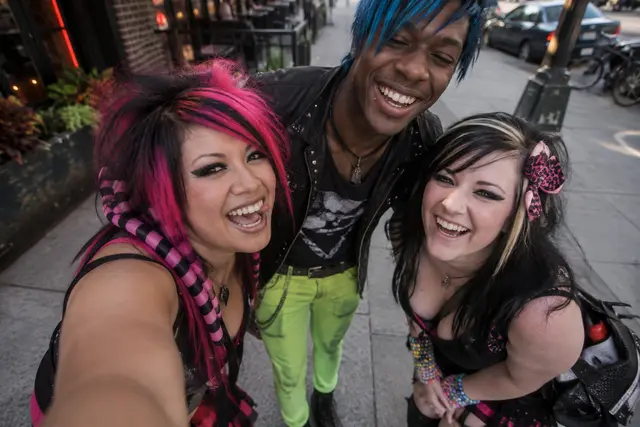
The emo look most people picture comes from the 2000s:
- Side-swept fringe, often dyed black, sometimes with a streak of color
- Eyeliner, for everyone
- Skinny jeans, often black
- Band tees and hoodies
- Studded belts and wristbands
- Converse or Vans, often checkered
- Striped arm warmers and hoodies with thumbholes
- Thick-rimmed glasses (very early 2000s)
Earlier emo kids in the 90s mostly dressed like indie kids: cardigans, thrift-store sweaters and glasses. Today people mix and match, and you don't need any of it to love the music.
Emo vs scene vs goth vs pop punk
These get mixed up a lot:
- Emo grew out of hardcore punk and is about emotional, guitar-driven music.
- Scene was a mid-2000s offshoot with neon colors, teased hair and a lot of MySpace. See our fun look back at scene kids.
- Goth came out of post-punk in the late 70s and early 80s and is darker and more atmospheric. Our post on emo vs goth breaks down the differences.
- Pop punk is faster, poppier and sunnier, though it overlaps with emo a ton.
Plenty of people love several of these at once. Nobody's checking membership cards.
Emo culture: more than the music
Emo has always been social. A few things that make the culture what it is:
- Shows. Small DIY gigs in basements and VFW halls were the heart of the 90s scene, and local shows still matter a lot.
- Merch. The band tee is practically a uniform.
- Sending songs. Making a mix, burning a CD or sending a song to someone you like is a core emo tradition.
- A sense of humor. For all the jokes about emo being sad, emo fans are some of the funniest people around, especially about themselves.
- Emo nights. Club nights playing nothing but emo and pop punk, where the whole room sings along. Find one with our emo night guide.
Emo today
Emo is very much alive. Classic bands play huge venues, emo nights happen all over the world, and newer bands keep finding fresh ways to make the sound their own. A lot of people who were emo teens in 2005 never stopped, and a lot of younger fans found it on their own.
If you're looking for people who share your taste, Alt Chat has live chat rooms and profiles with Anthems, songs that play right on the profile, so finding someone who also has opinions about Deja Entendu is pretty easy.
The bottom line
What is emo? It's emotional, punk-rooted music that started in 1980s D.C., grew up in the 90s Midwest, took over MySpace in the 2000s and is still going strong. It's also eyeliner, band tees, shows and sending songs to people you like. Whatever version you love, it counts.
FAQ
What does emo stand for?
Emo is short for "emotional," from "emotional hardcore" or "emocore." The term started as a label for a 1980s Washington, D.C., punk sound that was more personal and heartfelt than typical hardcore.
What is emo music?
Emo is a rock genre that grew out of punk and hardcore, known for personal, emotional lyrics and big dynamic shifts. It ranges from raw 80s hardcore to twinkly 90s Midwest emo to the huge 2000s bands most people picture today.
Is emo the same as goth?
No. Goth comes from post-punk in the late 1970s and early 80s and leans dark, atmospheric and romantic. Emo comes from hardcore punk and is more about heart-on-sleeve guitar music. They share some black clothing and eyeliner, but they're different scenes.
Is emo still around?
Yes. Classic bands tour big venues again, emo nights run in many cities, and newer bands keep the sound moving. The scene never fully went away, and it's very visible right now.