The Emo Revival: Why Emo Is Back
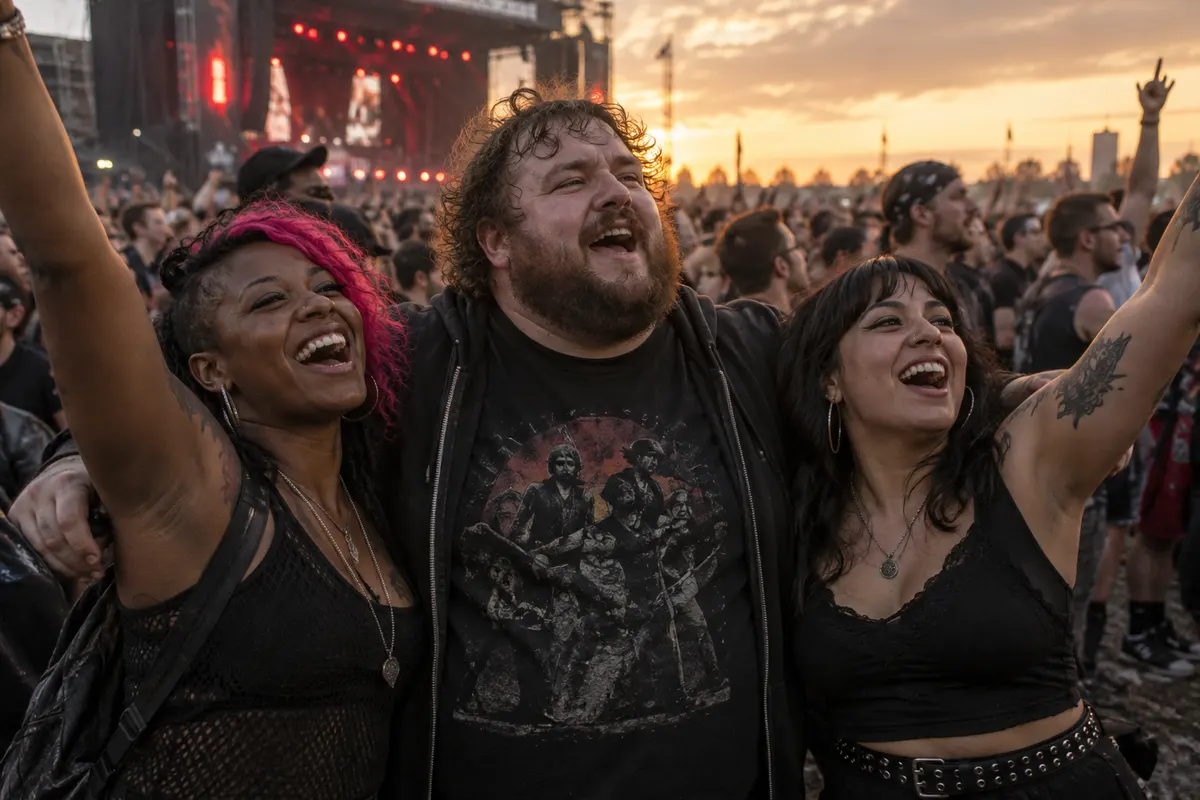
For a while, people liked to joke that emo was "just a phase." Turns out the phase lasted forty years and is currently selling out stadiums. The emo revival is one of the most fun stories in alternative music, and it actually happened in two waves: an underground one in the 2010s and a giant mainstream comeback in the 2020s.
Here's how emo came back, who brought it back, and why it feels so big right now.
Wait, did emo ever leave?
Not really. Emo has always had a loyal scene. But by around 2010, the big 2000s bands had broken up, gone on hiatus or changed their sound. MySpace was fading, and "emo" had become a punchline in a lot of places. The music didn't die. It just went back to basements, small labels and DIY shows.
That's exactly where the first revival started.
Wave one: the 2010s emo revival
In the early 2010s, a new generation of bands started playing music inspired by 90s emo, especially the twinkly, intricate guitar sound of the Midwest. Fans and writers called it the "emo revival" or "fourth-wave emo."
Some key bands and records:
- The World Is a Beautiful Place & I Am No Longer Afraid to Die – Whenever, If Ever (2013). Big, sprawling and beloved.
- Modern Baseball – You're Gonna Miss It All (2014). Funny, nervous, very relatable songs.
- The Hotelier – Home, Like Noplace Is There (2014). Often named as one of the best emo albums of the decade.
- Foxing – The Albatross (2013). Atmospheric and dramatic.
- Joyce Manor – Never Hungover Again (2014). Short, punchy, perfect.
- Tiny Moving Parts, Tigers Jaw, Into It. Over It. and Pianos Become the Teeth were also big parts of the scene.
Labels like Topshelf Records and Run for Cover helped spread the sound. The vibe was DIY: small venues, house shows, tapes, vinyl and Bandcamp pages.
The originals came back too
At the same time, some of the 90s bands that inspired the revival returned. American Football, whose 1999 album defined the Midwest sound, reunited in 2014 and went on to release new music. Cap'n Jazz and Sunny Day Real Estate also played reunion shows in the 2010s. Seeing the originals next to the new bands made the whole thing feel like a real movement.
For a deeper look at the history, read our guide to what emo is.
Wave two: the 2000s bands return
The second wave was louder. Starting in the late 2010s and exploding in the 2020s, the big MySpace-era bands came back in a huge way.
Emo nights paved the way
Before the reunions, there were emo nights. Emo Nite started in Los Angeles in December 2014 as a small party and grew into a touring event across the US, with plenty of independent emo nights popping up everywhere else. These nights proved there was a massive crowd of adults who still knew every word to every 2005 single. If you want to find one, check our emo night guide.
My Chemical Romance reunites
When My Chemical Romance announced their reunion on Halloween 2019 and played their first show back in Los Angeles that December, it felt like a starting gun. The pandemic pushed their tour back, but they hit the road in 2022. In 2025, they toured North American stadiums playing The Black Parade in full, and the tour was so popular that extra dates were added.
When We Were Young
When We Were Young launched in Las Vegas in 2022 with My Chemical Romance and Paramore at the top of the bill. The lineup looked like a 2006 Warped Tour poster come to life, and it sold like crazy. The festival has returned in the years since. Read our When We Were Young festival guide for tips.
Everyone else
The 2020s brought a whole run of comebacks and new records:
- Paramore released This Is Why (2023) and won two Grammys for it in 2024.
- Fall Out Boy returned with So Much (for) Stardust (2023).
- Blink-182 reunited with Tom DeLonge and released One More Time... (2023).
- Vans Warped Tour returned in 2025 for its 30th anniversary, with weekend festivals in Washington, D.C., Long Beach and Orlando.
Pop punk crossed into pop
Emo and pop punk also leaked into mainstream pop. Machine Gun Kelly's Tickets to My Downfall (2020), produced by Travis Barker, went full pop punk. Olivia Rodrigo's "good 4 u" (2021) had a lot of people saying "wait, this sounds like 2004." Love it or hate it, it brought a lot of younger listeners to the older bands.
The newer bands keeping it going
The revival isn't only nostalgia. There's a strong current scene too. A few bands worth checking out:
- Hot Mulligan – energetic, funny and very loud
- Origami Angel – a two-piece with a huge, bright sound
- Sweet Pill – powerful vocals and twinkly guitars
- Home Is Where – raw, inventive and folk-tinged
- Glass Beach – ambitious and genre-hopping
- Microwave – heavy, fuzzy and catchy
Plenty of these bands play small venues, so you can still catch them up close. For more listening, see our list of the best emo albums.
Why is emo back now?
There's no single reason, but a few things clearly helped:
- Timing. People who were teens in the 2000s are now adults with jobs, and they're happy to spend a weekend in Las Vegas screaming along to Taking Back Sunday.
- The internet. Younger fans found emo on streaming and social media without any of the old "it's just a phase" baggage.
- Emo nights. They turned emo into a social event again, not just music you listen to alone.
- The bands still sound great. Many came back with strong live shows and new albums.
- It's fun. Emo is big, loud and made for singing with a crowd. That never really goes out of style.
What it means for the scene
The revival means there are more emo people out there than there have been in years. Shows are packed, emo nights are full, and people of all ages are mixing in the crowd. It's a great time to make friends, find a show buddy or meet someone who also knows every word of The Black Parade.
If you want to connect with people who love this music, Alt Chat lets you add an Anthem to your profile, a song that plays when people open it, and hang out in live chat rooms with other alt people. Picking the perfect emo song for your profile is half the fun.
The short version
The emo revival happened twice. First, in the 2010s, a new wave of DIY bands brought back the 90s Midwest sound. Then, in the 2020s, the 2000s giants reunited, festivals like When We Were Young took off and emo nights spread everywhere. Emo isn't a phase. It's a tradition.
FAQ
What is the emo revival?
The term first described a wave of 2010s bands, sometimes called fourth-wave emo, who brought back the twinkly 90s Midwest sound. Today people also use it for the bigger comeback of 2000s emo, with reunions, festivals and emo nights everywhere.
Is emo coming back?
It's already back. My Chemical Romance played stadiums in 2025, When We Were Young draws huge crowds in Las Vegas, and Warped Tour returned for its 30th anniversary in 2025. Newer emo bands are thriving too.
What are some emo revival bands?
Key 2010s names include The World Is a Beautiful Place & I Am No Longer Afraid to Die, Modern Baseball, The Hotelier, Foxing, Joyce Manor and Tiny Moving Parts. More recent favorites include Hot Mulligan, Origami Angel, Sweet Pill and Home Is Where.
Why is emo popular again?
A mix of things: people who grew up on emo now buy tickets and plan festival trips, younger fans discovered the music online, and the bands themselves came back sounding great. Emo nights also gave everyone a place to sing along together.