What Does Alt Mean? Alternative Culture Explained
If you've seen "alt girl," "alt guy" or "alt TikTok" and wondered what it actually means, you're in the right place. Alt is short for alternative, and it describes music, fashion and culture that sits outside the mainstream. So what does alt mean in real life? Here's the friendly guide, from where the word came from to the subcultures under the alt umbrella.
The short answer
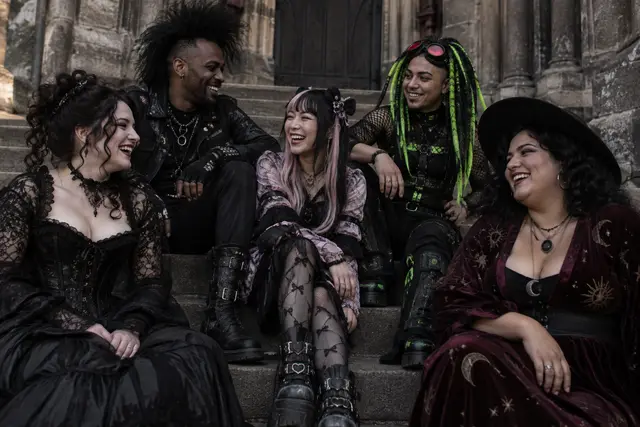
"Alt" means alternative. In culture, it's an umbrella word for people, styles and music that take a different path from what's popular at the moment. Goths, emos, punks, metalheads, grunge kids, scene kids, e-girls and e-boys can all be called alt.
The word doesn't belong to one group. It's more like a big, loud, very well-dressed family reunion where everyone has a slightly different taste in music.
Other meanings of alt
Just so nobody's confused:
- Alt account: a second social media account, often for memes or close friends.
- Alt key: the key on your keyboard.
- Alt text: a written description of an image for screen readers.
In this article, we mean the culture.
Where the word came from
The word grew out of music. In the 1980s, "alternative" became a common label for bands outside commercial radio, the kind of music you'd hear on college radio stations and in indie record shops. Post-punk, new wave, goth rock and indie bands all landed in that bin.
In the early 1990s, alternative rock went mainstream. Nirvana's Nevermind came out in 1991 and changed what was on the radio, and that same year Lollapalooza started as a touring festival for alternative acts. Suddenly "alternative" wasn't just a genre. It was a whole look and attitude.
Over the years, people started shortening it to "alt," and it stretched to cover fashion and lifestyle too, not just music.
The main alt subcultures
Here's a quick tour. Each one has its own history, music and style, and plenty of people mix several.
Punk
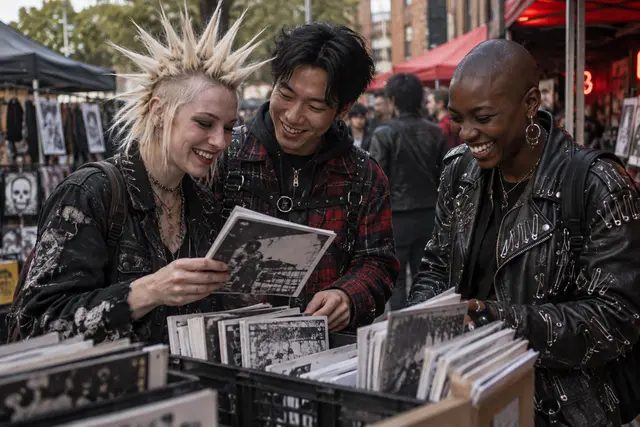
Punk exploded in the mid-1970s with bands like the Ramones in New York and the Sex Pistols in London. It's fast, loud and DIY, with a strong anti-establishment streak. Style: leather jackets, safety pins, patches, ripped clothes, mohawks and boots. Our guide to punk subculture history goes deeper.
Goth
Goth grew out of post-punk in the UK in the late 1970s and early 1980s. Bands like Bauhaus, Siouxsie and the Banshees and The Cure helped shape it, and London's Batcave club, which opened in 1982, became a famous early home for the scene. Style: lots of black, lace, velvet, silver jewelry, pale makeup and dramatic eyeliner. There are many kinds of goth, from trad goth to romantic goth to cyber goth. See our breakdown of the types of goth.
Metal
Heavy metal goes back to around 1970, with Black Sabbath often named as the first true metal band. Since then it's split into dozens of subgenres, from thrash to black metal to doom. Style: band shirts, denim or leather vests covered in patches, long hair, boots and a lot of black.
Emo
Emo started in the mid-1980s in the Washington, D.C., hardcore punk scene, with bands like Rites of Spring. It had a huge second wave in the 2000s with bands like My Chemical Romance, Taking Back Sunday and Dashboard Confessional. Style: skinny jeans, band shirts, side-swept fringe, studded belts and Converse. Our guide on what emo is explains more.
Grunge
Grunge came from the Seattle area in the late 1980s and early 1990s, with bands like Nirvana, Pearl Jam, Soundgarden and Alice in Chains. Style: flannel shirts, ripped jeans, thrifted sweaters and boots, with a "didn't try" vibe. See our guide to the grunge aesthetic.
Scene
Scene was big in the mid-to-late 2000s and grew up alongside MySpace. Think bright teased hair, striped hair extensions, neon colors, band tees and a love for electronic music and metalcore.
E-girls and e-boys
The newest branch, popular on TikTok from the late 2010s onward. It mixes emo, goth, anime and skater style: chains, striped long sleeves, heart makeup under the eyes and split-dye hair.
And more
There's also industrial, psychobilly, rockabilly, cyber goth, whimsigoth, deathrock, pastel goth, steampunk and plenty more. The scene keeps evolving.
What does alt style look like?
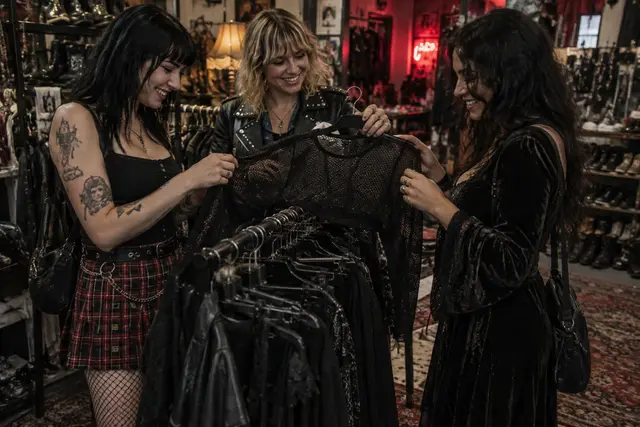
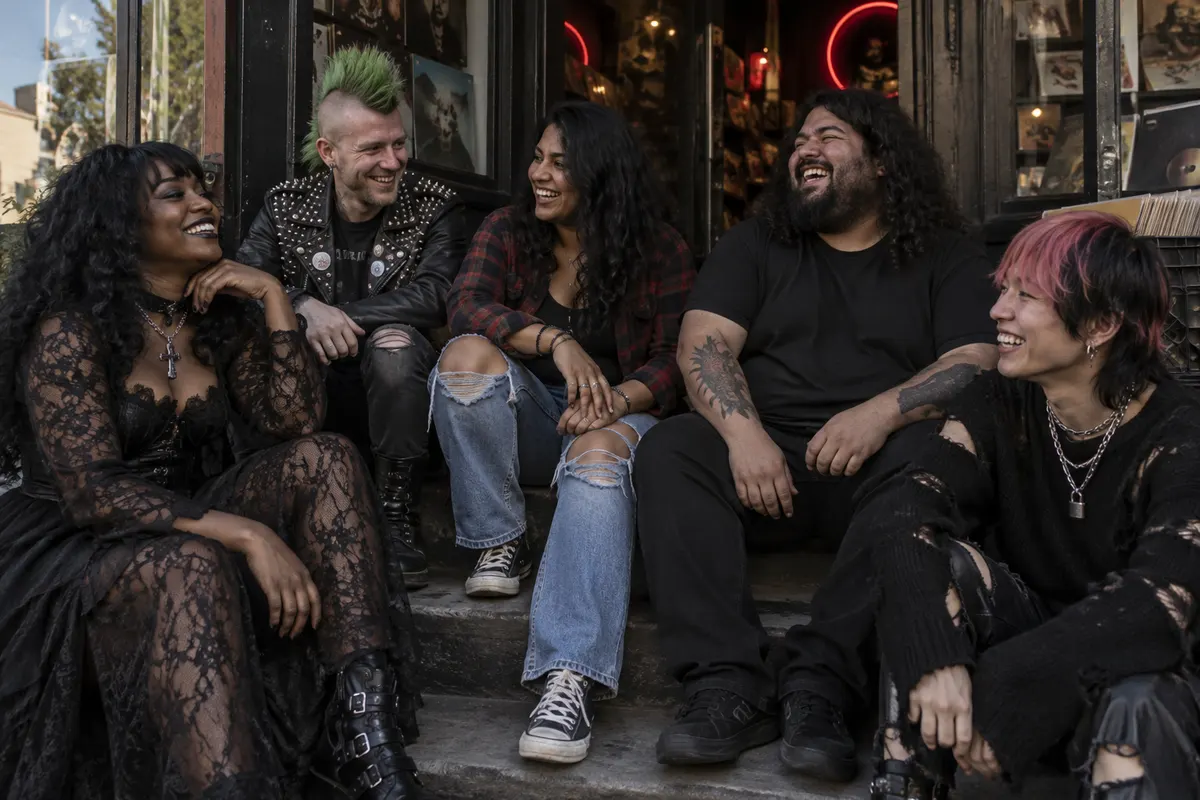
There's no single alt look, but a few things show up a lot:
- Black clothing (but not always only black)
- Band shirts
- Boots, especially platforms and combat boots
- Piercings and tattoos
- Unnatural hair colors
- Thrifted and DIY pieces, like patched jackets and hand-cut shirts
- Bold makeup, especially eyeliner and dark lipstick
- Chains, studs and silver jewelry
For a full guide, see our alt fashion guide.
Is alt just about clothes?
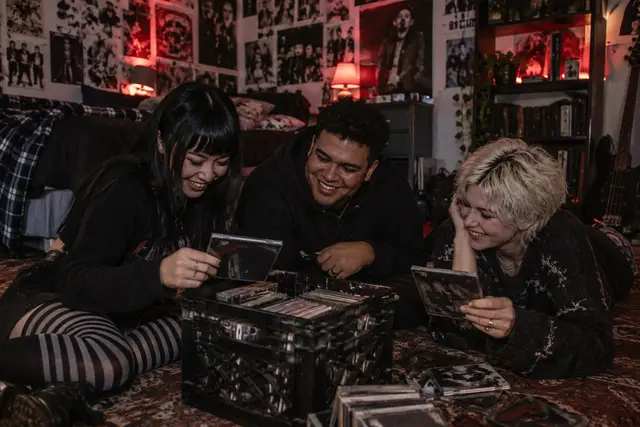
Not really. For most people, it starts with music. Someone hears a song that hits differently, falls into a band's whole catalog, and before long they're going to shows and making friends who like the same things. The style usually follows.
Alt culture is also about community: going to clubs and gigs, swapping music, thrifting together and finding people who get your jokes about obscure post-punk B-sides. It's also about doing things yourself. Punk zines, homemade patches, bedroom-recorded demos, local bands booking their own shows: that DIY spirit runs through almost every corner of the scene, and it's a big part of why alt culture keeps reinventing itself instead of standing still.
Who counts as alt?
Anyone who's into it. There's no age limit (lots of people have been in the scene for decades), no dress code, no quiz and no fee. Someone in head-to-toe Victorian lace and someone in a band shirt and jeans are both alt if that's where their heart is. Gatekeeping is out. Sharing music is in.
Finding other alt people
Once you know what you're into, it's way more fun with others. Local shows, goth nights and record shops are classic places to meet people. Online, there are communities on Discord, Reddit and apps made for the scene. Alt Chat is a free Android app where goth, emo, punk, metal and grunge people meet, chat and hang out, with live chat rooms and profiles that each have their own song. It's an easy way to find your people, wherever you live.
FAQ
What does alt mean in style or fashion?
Alt is short for alternative, and in fashion it means style that steps outside the mainstream, usually inspired by subcultures like goth, punk, emo, grunge and metal. Think black clothing, band shirts, boots, piercings, bold hair and DIY touches.
What is an alt person?
An alt person is someone into alternative culture, usually through music, fashion or both. They might call themselves goth, emo, punk, metal, grunge or just alt, and there's no test you have to pass to count.
What is the difference between alt and goth?
Goth is one specific subculture with roots in late-1970s and early-1980s post-punk music. Alt is a wider umbrella that includes goth along with punk, emo, metal, grunge, scene and more.
What does alt mean on social media?
Online, alt can also mean an alternate account, like a second profile someone uses for memes or close friends. In a username or bio, it's more often about alternative style, so context usually makes it clear.