Post-Punk Bands Worth Your Time

Post-punk is the genre that asked "okay, punk happened, now what?" and came back with a hundred different answers. Some post punk bands made you dance, some made you think, and some made you dye your hair black and buy a long coat. It's also the parent of goth rock, which is why so many goth playlists start here.
Here are the post-punk bands worth your time, from the late 70s originals to the newer bands keeping the sound alive.
What makes it post-punk?
Post-punk took punk's do-it-yourself energy and pushed it in new directions. Common features include:
- Big, melodic basslines that often lead the song
- Sharp, scratchy or chorus-drenched guitars
- Drum machines or tight, driving drums
- Synths in some bands
- Lyrics that are artsy, political, cold or poetic
If you want the full story, music writer Simon Reynolds' book Rip It Up and Start Again is a great deep dive.
The originals (late 1970s to early 1980s)
Joy Division
The Manchester band whose two albums, Unknown Pleasures (1979) and Closer (1980), defined the cold, haunting side of post-punk. The Unknown Pleasures cover, a graph of radio waves from a pulsar designed by Peter Saville, might be the most famous album art in alt culture. After the band ended, the remaining members formed New Order.
Start with: Unknown Pleasures
Siouxsie and the Banshees
Fierce, inventive and stylish. Siouxsie Sioux came out of the early London punk scene and the band became a cornerstone of both post-punk and goth.
Start with: Juju (1981)
Wire
Wire's debut Pink Flag (1977) packs 21 songs into about 35 minutes. Short, strange and smart, it influenced countless later bands.
Start with: Pink Flag, then Chairs Missing
Gang of Four
From Leeds, Gang of Four mixed jagged guitar with funk rhythms and political lyrics. Entertainment! (1979) is still copied today.
Start with: Entertainment!
Public Image Ltd
John Lydon's band after the Sex Pistols. Metal Box (1979) is built on Jah Wobble's deep, dub-influenced bass.
Start with: Metal Box
The Fall
Mark E. Smith led The Fall from Manchester for decades through dozens of lineups. Gloriously messy, sarcastic and endlessly influential.
Start with: This Nation's Saving Grace (1985)
The Cure
Before they were pop stars, The Cure made some of the bleakest, most beautiful post-punk records ever, like Seventeen Seconds (1980), Faith (1981) and Pornography (1982).
Start with: Seventeen Seconds
Bauhaus
The band that pushed post-punk into goth territory. "Bela Lugosi's Dead" (1979) is often called the first goth rock song.
Start with: In the Flat Field (1980)
Killing Joke
Heavy, tribal and intense. Killing Joke's self-titled 1980 debut influenced post-punk, industrial and metal alike.
Start with: Killing Joke
Echo & the Bunnymen
Liverpool's romantic, dramatic post-punk band. Ocean Rain (1984) features "The Killing Moon."
Start with: Ocean Rain
Across the Atlantic
The US had its own art-punk scene running alongside the UK's:
- Television – Marquee Moon (1977), all interlocking guitars and New York cool
- Pere Ubu – Cleveland weirdos who made experimental punk before there was a word for it
- Devo – From Akron, Ohio, mixing robotic synths, humor and art-school concepts
- Talking Heads – Nervy, funky and brainy
Underrated gems
A few bands that don't get name-checked enough:
- The Chameleons – Huge, shimmering guitars. Script of the Bridge (1983) is a cult favorite.
- Magazine – Howard Devoto's band after leaving Buzzcocks, with dramatic keyboards.
- The Sound – Emotional and powerful, criminally overlooked.
- The Comsat Angels – Moody, minimal and atmospheric.
The early 2000s revival
Around the turn of the millennium, post-punk came roaring back:
- Interpol – Turn On the Bright Lights (2002), sharp suits and sharp guitars
- Editors – Dark, anthemic and very Joy Division-influenced
- The Rapture and LCD Soundsystem – Dance-punk that took the funk side further
- Franz Ferdinand – The danceable, art-school side of post-punk, with huge hits
Modern post-punk bands
The genre has exploded again in the last decade. Here are newer bands worth your time:
- Fontaines D.C. – From Dublin, poetic and gritty. Start with Dogrel (2019) and then their 2024 album Romance.
- IDLES – From Bristol, loud, joyful and big-hearted. Brutalism (2017) is their debut.
- Molchat Doma – From Minsk, Belarus, cold synths and deep vocals. Etazhi (2018) is the album that went viral.
- Savages – Intense and precise. Silence Yourself (2013) is a modern classic.
- Protomartyr – From Detroit, dark and literary.
- Iceage – From Copenhagen, raw and romantic.
- Shame and Squid – Two of the energetic UK bands from the recent wave.
- Dry Cleaning – Deadpan spoken vocals over sharp guitar.
- Viagra Boys – From Stockholm, funny, sleazy and very danceable.
If you love the colder, synth-heavy side, our list of darkwave artists picks up where this leaves off.
How post-punk connects to goth
Goth rock grew straight out of post-punk. Bands like Bauhaus, Siouxsie and the Banshees and The Cure leaned into darker sounds, drama and style, and a scene formed around them. That's why you'll hear Joy Division and Bauhaus on the same goth club night. For more on how the branches connect, see our guide to goth music genres and our list of the best goth bands. And for the punk side of the family tree, read our punk subculture history.
Where to hear post-punk live
Post-punk is a live genre at heart. Some of the best ways to hear it:
- Small venues – Most newer post-punk bands still tour clubs and small halls, so tickets are easier to get and you can stand close to the stage.
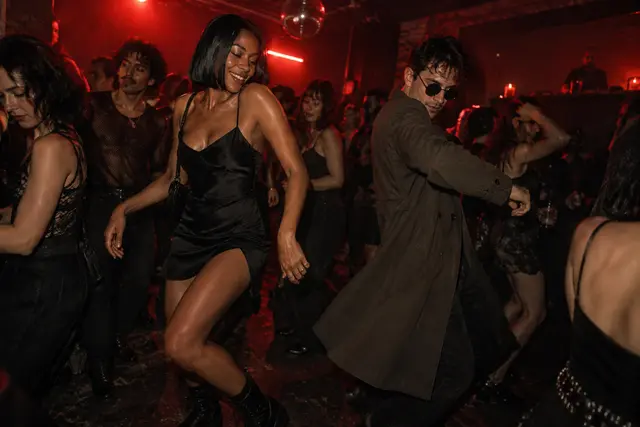
- Goth and new wave club nights – DJs mix classic post-punk with darkwave and goth, and the dance floor is usually packed for Joy Division and Siouxsie.
- Festivals – Many indie and alternative festivals book post-punk bands, and goth festivals often include classic acts.
- Local bands – Every city has a few. Check local venue listings and you might find your new favorite band for the price of a cheap ticket.
Your post-punk starter pack
- Joy Division – Unknown Pleasures
- Wire – Pink Flag
- Siouxsie and the Banshees – Juju
- Interpol – Turn On the Bright Lights
- Fontaines D.C. – Dogrel
- Molchat Doma – Etazhi
Play them in order and you'll hear more than 40 years of post-punk in an afternoon. Then find someone to argue with about which Joy Division album is better. On Alt Chat, you can set a song as your profile Anthem, and putting "Atmosphere" or "Sudno" on yours is a great way to find fellow post-punk fans.
FAQ
What is post-punk?
Post-punk is music that came after the first wave of punk in the late 1970s, keeping punk's energy but adding experimentation, like danceable basslines, synths, odd structures and art-school ideas. It also gave birth to goth rock.
What are the most important post-punk bands?
Joy Division, Siouxsie and the Banshees, Wire, Gang of Four, Public Image Ltd, The Fall and The Cure are usually at the top of the list. Each one shaped a different corner of the sound.
Is post-punk still popular?
Yes. The early 2000s brought a big revival with bands like Interpol, and newer bands like Fontaines D.C., IDLES and Molchat Doma have built large audiences in the last several years.
What is the difference between post-punk and goth?
Goth rock grew out of post-punk around 1979 to 1982, as some bands leaned into darker atmosphere, drama and horror imagery. Post-punk is the broader family, and goth is one of its branches.