Goth and Alt Scene in London: Clubs, Camden and Cemeteries
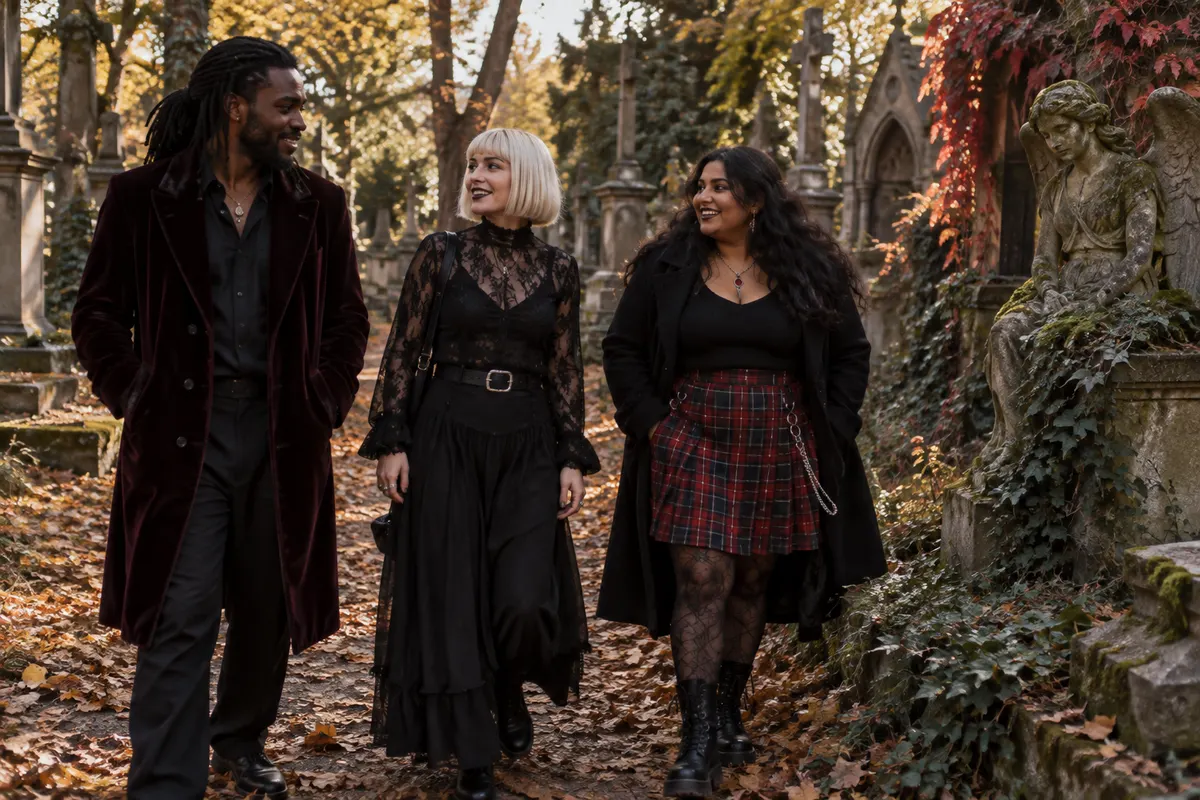
Goth London is where a lot of this started. Siouxsie and the Banshees came out of London's late-1970s punk scene, and the Batcave club opened in Soho in 1982, giving the early goth crowd a home. More than forty years later the city still has some of the best dark club nights in the world, plus Victorian cemeteries straight out of a novel and an entire neighborhood built for buying boots.
Club nights here move dates and venues often, so check socials before heading out.
Club nights
Slimelight at Electrowerkz
The legend. Slimelight has run at Electrowerkz, a warren of a venue near Angel tube in Islington, since 1987, and it's often called the world's longest-running goth night. It spreads goth, industrial, EBM, darkwave, post-punk and darker electronic music across several floors. These days it runs roughly every six weeks, with bigger parties around Halloween.
Two things to know: there's a dress code, and they're strict about ID. Wear black, leather, PVC, lace or full cyber, and bring physical ID.
The Belfry
A friendlier, smaller night for people who love classic goth, post-punk, darkwave and new wave. The Belfry happens a few times a year downstairs at The Albany on Great Portland Street. Low ticket prices, great music and a crowd that actually dances. The same room also hosts other classic goth and post-punk nights through the year.
Camden club nights
- The Underworld. The basement venue under the World's End pub has been Camden's home for metal, rock and alt gigs for decades. It also hosts club nights, including goth nights.
- The Black Heart. A small, dark, much-loved Camden bar and venue with lots of metal, doom, punk and rock gigs most weeks.
Feeling Gloomy
If your heart belongs more to emo and sad indie than to Bauhaus, Feeling Gloomy is the long-running London night for singalongs to the bands you loved at 15. It turned 21 in 2026, which says a lot about how much fun it is.
Camden: shopping and wandering
Camden is still London's alt playground. Head up Camden High Street toward Chalk Farm Road and spend an afternoon getting lost.
- Camden Market and the Stables. Hundreds of stalls with alt clothing, vintage, jewelry, boots and band shirts. Weekends are packed, so try a weekday.
- Cyberdog. The neon, rave-meets-cyberpunk superstore in the Stables Market, with dancers, loud music and UV clothing. Even if cyber isn't your look, it's worth walking through once.
- Boots. Camden has plenty of shops selling platforms, buckled boots and DMs. Our platform boots guide can help you choose.
Cemeteries
London has some of the most beautiful old cemeteries anywhere, known as the Magnificent Seven, built in the 1800s around what was then the edge of the city.
Highgate Cemetery
The most famous one. The East Cemetery is open for self-guided wandering, with graves including Karl Marx's. The West Cemetery, with its overgrown paths, Egyptian Avenue and the Circle of Lebanon catacombs, is mostly visited on guided tours led by volunteers. Book ahead. It's an unforgettable first date.
The other six
Abney Park in Stoke Newington, Nunhead in the south east, Brompton in west London, Kensal Green, West Norwood and Tower Hamlets Cemetery Park are all worth a slow afternoon. Abney Park and Nunhead in particular feel like wild woodland with gravestones.
London Month of the Dead
Every October into early November, the London Month of the Dead festival runs talks, walks, tours and events about death, history and culture, many inside the Magnificent Seven cemeteries. Think candlelit chapel talks on Victorian mourning and moonlit walks. They sell out, so book early.
Live music
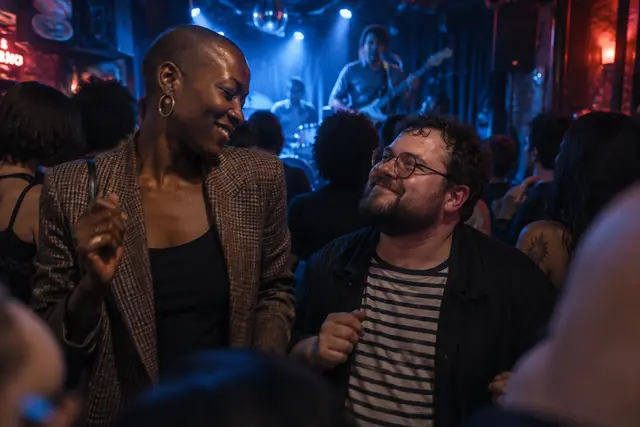
London gets almost every touring goth, post-punk, darkwave and metal band. Venues of every size, from small pub back rooms to the big halls in Camden, Kentish Town and Islington, have dark shows most weeks. Brush up with our list of post-punk bands before you go.
Day trips and festivals
- Whitby Goth Weekend. Twice a year, in spring and around Halloween, the Yorkshire seaside town that inspired part of Bram Stoker's Dracula fills up with goths for gigs and a huge alternative market. It's a long train ride from London, but a classic trip.
- Manchester. About two hours north by train, with its own big post-punk history. Read our guide to the goth scene in Manchester.
- Europe. Berlin and Leipzig are a short flight away. See the alt and goth scene in Berlin and our guide to Wave-Gotik-Treffen in Leipzig.
Who you'll meet
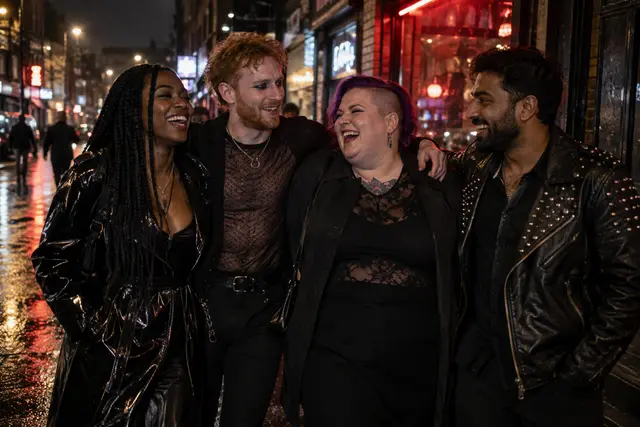
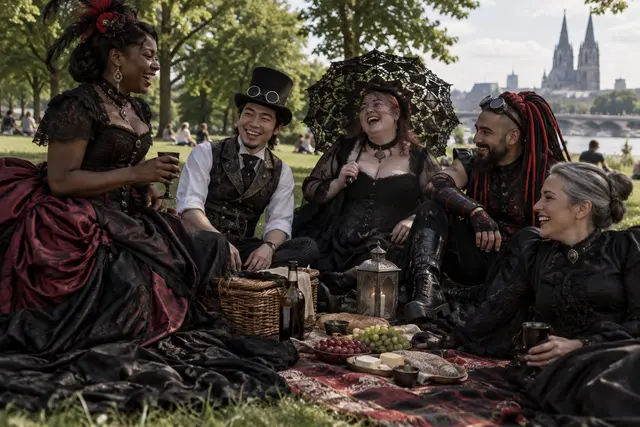
The London scene is massive and mixed: trad goths who were at the Batcave, cyber goths, metal and doom fans, romantic Victorian types, emo kids now in their thirties, students, tattoo artists, office workers who change in the loos after work, and people from all over the world who moved here and found the scene. It's very inclusive, and queer people are a big, visible part of it.
Londoners can seem reserved, but at a goth night a compliment on someone's coat goes a long way.
Meeting alt people in London
A city of nine million can feel lonely if you don't know where your people are. Lots of Londoners meet online first and then head to a night together. On Alt Chat you can swipe through goth and alt people nearby in Meet, chat in live rooms, or post in Realm asking who's going to the next Slimelight.
FAQ
What is the oldest goth club in London?
Slimelight at Electrowerkz near Angel is often called the world's longest-running goth night. It has run at the venue since 1987 and mixes goth, industrial, EBM, darkwave and harder electronic music across several floors.
Is Camden still goth?
Camden is still London's go-to area for alt shopping and gigs. Camden Market and the Stables have plenty of alternative stalls, Cyberdog is still there, and venues like The Underworld and The Black Heart host rock, metal and goth nights.
Can you visit Highgate Cemetery?
Yes. The East Cemetery is open for self-guided visits, and the West Cemetery, with its famous Egyptian Avenue and catacombs, is mostly seen on guided tours. Book ahead, especially at weekends and around Halloween.
Where did goth start?
Goth grew out of British post-punk in the late 1970s and early 1980s. The Batcave club in London's Soho, opened in 1982, is often named as the place where the scene really took shape.