Witch House: The Strangest Genre You'll Love
Witch house music sounds like a horror movie soundtrack that wandered into a hip-hop studio at 3 a.m. It's slow, heavy, foggy and a little creepy, and it was one of the strangest scenes to come out of the internet. If you love goth, darkwave or anything with a lot of reverb and atmosphere, there's a good chance it'll get under your skin.
Here's what witch house is, where it came from and how to get into it.
What witch house sounds like
Witch house is easy to recognize once you've heard it:
- Slow, heavy beats borrowed from hip-hop, often dragged down even slower
- Huge reverb, so everything sounds like it's happening in a cathedral full of fog
- Eerie synths and drones, a lot like a horror score
- Pitched or buried vocals, sometimes slowed down until they sound ghostly, sometimes chopped into fragments
- Samples from old pop, R&B, choirs or film, twisted until they're barely recognizable
A big influence was chopped and screwed, the Houston hip-hop style made famous by DJ Screw, where tracks are slowed way down and cut up. Witch house took that slow, syrupy feel and mixed it with goth, darkwave, shoegaze and noise. Some people also called the style drag, because of how slowed down and heavy it feels.
Where the name came from
The scene took shape around 2009 and 2010, mostly online, through blogs and music-sharing sites. The name "witch house" is often credited to the artist Pictureplane, who reportedly coined it as a joke with a friend. The joke stuck, and suddenly there was a genre.
That's very witch house. The whole scene had a sense of humor hiding under the darkness.
The look: symbols, triangles and mystery
Witch house was as much a visual style as a sound. Artists used:
- Triangles, crosses and Unicode symbols in their names and song titles, like ▲ and †
- Occult and religious imagery, pentagrams, and grainy black-and-white photos
- Dark, blurry, VHS-style videos
Names full of symbols were nearly impossible to search, which kept the scene feeling secret and underground. If you wanted to find this music, you had to really look for it.
Key witch house artists
Salem
Salem, from Michigan, is the band most closely linked to witch house. Their 2010 album King Night is the scene's best-known record, mixing slowed-down rap vocals, distorted synths and church-like atmospheres. They came back in 2020, after nearly ten years away, with their second album Fires in Heaven, which proved the sound still works.
oOoOO
oOoOO released a self-titled EP in 2010 that's dreamy, eerie and very pretty. A good entry point if you find Salem too harsh.
Balam Acab
Balam Acab made softer, watery, beautiful music. The album Wander / Wonder (2011) is full of underwater-sounding textures and pitched vocals. This is the gentle, dreamy end of witch house.
Holy Other
Holy Other's Held (2012) is slow, emotional and gorgeous. Like oOoOO and Balam Acab, it was released on Tri Angle Records, a label that became a home for this whole sound.
Ritualz
Ritualz made darker, heavier tracks and was a big name in the scene's harsher corner.
Crystal Castles (close cousins)
Crystal Castles aren't usually called witch house, but their mix of noisy electronics, distorted vocals and dark pop shares a lot of DNA with it. Plenty of witch house fans got in through them.
The scene peaks and spreads out
By the early 2010s, witch house had blown up in music blogs, and like a lot of internet genres, the buzz faded quickly. Some artists stopped releasing music, some changed styles, and the name itself became a bit of an inside joke.
But the sound didn't vanish. Its slow beats, heavy reverb and dark atmosphere spread into:
- Darkwave and dark electronic music, where artists still use those foggy, eerie textures (our darkwave artists list has plenty)
- Goth club sets, where witch house tracks fit right between darkwave and industrial (more on the heavy side in our industrial music guide)
- Internet-born genres that love slowed-down, reverb-heavy edits
How to get into witch house
Start soft, then go darker:
- oOoOO – oOoOO EP – Pretty and haunting.
- Balam Acab – Wander / Wonder – Dreamy and watery.
- Holy Other – Held – Slow and emotional.
- Salem – King Night – The essential, heavier record.
- Salem – Fires in Heaven – The 2020 comeback album, to hear how the sound aged.
Listen at night, ideally on headphones, ideally with a candle or two. It's not essential, but it helps.
Putting witch house on a playlist
Witch house works best in small doses mixed with its neighbors. A few ideas:
- Late-night mix – Start with Cocteau Twins or Slowdive, slide into Balam Acab and oOoOO, then end on Salem. The mood gets darker as the night goes on.
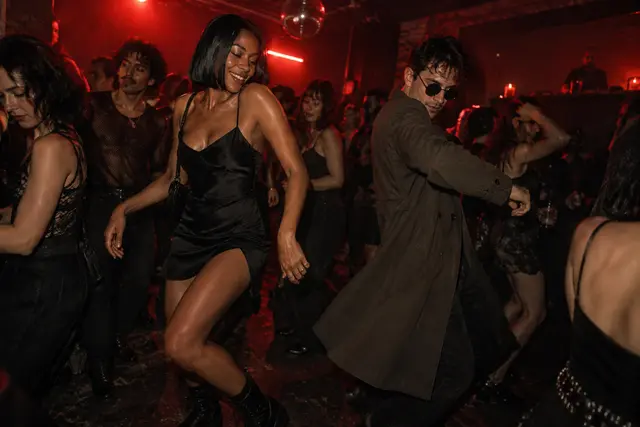
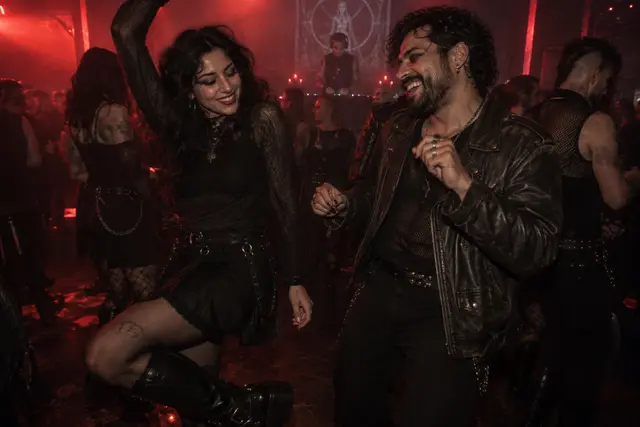
- Goth club warm-up – Use slower witch house tracks before the dance floor fills, then switch to darkwave and EBM once people start moving.
- Halloween party – Witch house is perfect background music while people arrive in costume. Our list of goth Halloween songs has the rest of the night covered.
- Studying or making art – The slow, foggy sound is great for focus, as long as you don't mind the occasional creepy vocal sample.
Because many tracks are slow and long, mix in something with a bit more energy every few songs so the playlist doesn't drift off completely.
Why goths love it
Witch house hits a lot of goth buttons: dark atmosphere, occult imagery, drama and a sense of humor about it all. It fits next to Cocteau Twins, Cold Cave and Chelsea Wolfe on a late-night playlist. If you want to see how it fits into the bigger family tree, our guide to goth music genres maps it out.
Want to find other people who still have ▲ symbols in their old usernames? On Alt Chat you can set a song as your profile Anthem and hang out in live chat rooms with people who love the strange stuff as much as you do. Witch house is a great conversation starter, mostly because everyone has a story about how they found it.
FAQ
What is witch house music?
Witch house is a dark electronic genre that took shape around 2009 and 2010. It mixes slowed-down hip-hop beats, heavy reverb, eerie synths and distorted or pitched vocals with occult and goth imagery.
Who started witch house?
Salem, a group from Michigan, is the band most closely tied to the genre's early days. The name itself is often credited to the artist Pictureplane, who reportedly came up with it as a joke.
Why do witch house artists use symbols in their names?
Using triangles, crosses and other Unicode symbols was a deliberate part of the scene's mysterious style. It also made artists hard to search for, which added to the underground feel.
Is witch house still around?
As a named scene it peaked in the early 2010s, but its sound lives on. You can hear its influence in dark electronic music, some goth club sets and parts of internet-born genres today.