Goth and Alt Scene in Detroit: After City Club, Hamtramck Carries the Torch
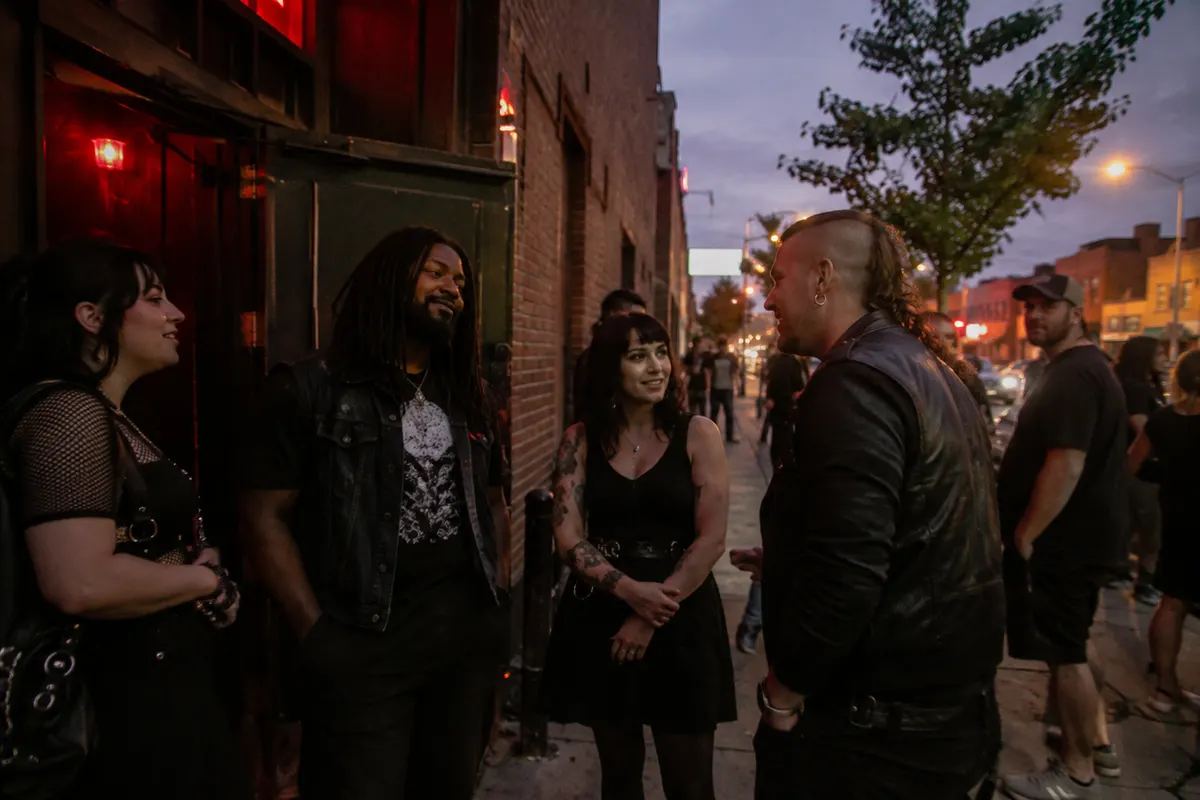
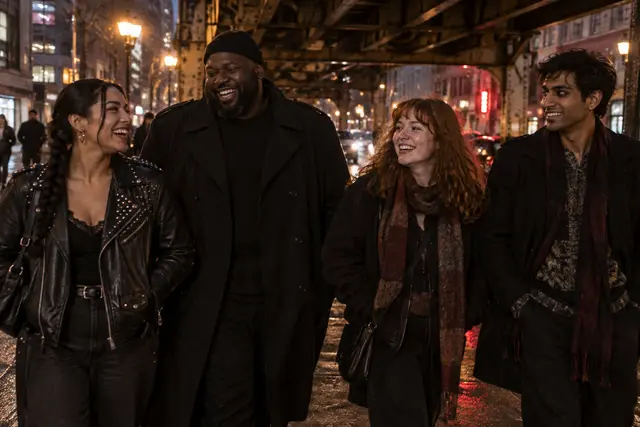
Detroit alt culture feels like a factory floor that learned to dance: loud, practical, haunted, funny, and allergic to fake shine. The fresh angle right now is simple: people are searching for what happened to the goth scene in Detroit after Leland City Club, and the answer is not “it died.” It scattered, regrouped, got weirder, and found new rooms.
The quick map: what the Detroit goth and alt scene feels like now
Detroit is not a one-neighborhood, one-club kind of alt city. It is a constellation: Hamtramck for compact bar-hopping and punk rooms, Midtown and Cass Corridor for records and art, North End/Milwaukee Junction for galleries and dance spaces, Corktown for scruffy hangouts, Royal Oak and Ferndale for suburban alt shopping and shows, and the wider metro area for metal, hardcore and touring acts.
The city’s dark side makes sense when you zoom out. Detroit is widely recognized as the birthplace of techno, and its electronic history still matters to local industrial, EBM and dark dance nights. The city’s punk lineage also runs deep, with Detroit PBS tracing local punk history back to early bands like MC5 and The Stooges before later underground scenes took shape. (detroitmi.gov)
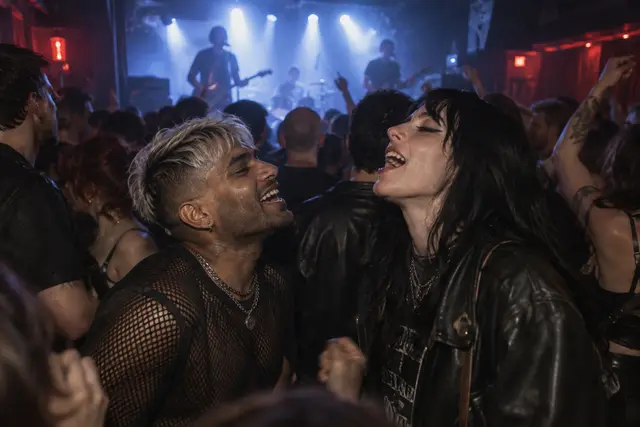
That mix is why Detroit goth nights can feel different from other cities. You may hear darkwave, then EBM, then industrial, then post-punk, then something techno-adjacent that sounds like a haunted robot assembling itself in a warehouse. This is not a city where the dance floor politely stays in one lane.
If you are comparing Detroit with other dark cities, think of it this way: Chicago has long-running industrial muscle, Portland has rainy DIY oddness, and Seattle has grunge shadows. Detroit has the machine pulse.
The City Club question: what changed, and why people are still talking about it
You cannot write honestly about the goth scene in Detroit without talking about Leland City Club. For decades, it was the city’s legendary goth-industrial room, located inside the Leland Hotel downtown. Quarter Detroit describes it as a former goth and industrial club that ran from 1983 to 2025, and Resident Advisor reported that the venue’s building announced a sudden closure after more than four decades in Detroit’s intersecting goth, industrial and techno scenes. (quarterdetroit.com)
That closure left a big emotional hole. For some people, City Club was where they first danced in platforms without apologizing. For others, it was the place they discovered industrial music, kissed someone under terrible lighting, or realized “business casual” was never going to be their final form.
But here is the important part: a club closing is not the same as a scene ending. Scenes live in DJs, door people, flyers, bands, group chats, thrift-store finds, carpool plans, after-show fries, and the person in the corner who knows every song but refuses to admit they are having fun. Detroit still has all of that.
The current scene is more decentralized. Instead of one gravitational center, people follow specific nights, promoters, touring bands, venue calendars and Instagram flyers. This means you need to do a little more checking before going out, but it also means there are more flavors: classic goth nights, industrial-heavy nights, dark techno parties, punk shows, hardcore bills, horror art events and vintage-store daytime hangs.
Hamtramck: the easiest first stop for dark Detroit
If you are new, visiting, recently moved, or just tired of standing in your room deciding which black shirt is “going-out black,” start with Hamtramck.
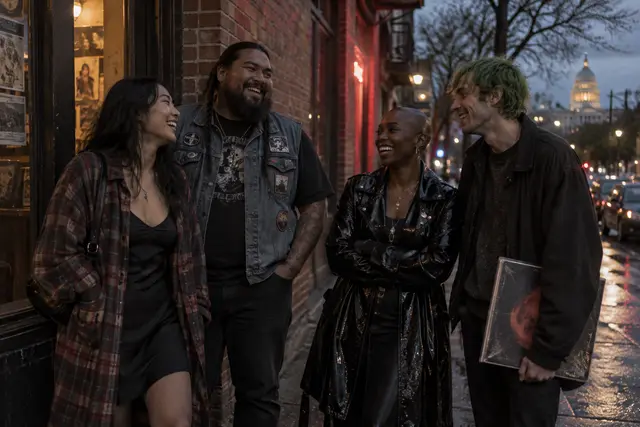
Hamtramck is technically its own city surrounded by Detroit, but scene-wise it functions like a compact alt district. It is walkable in a way many Detroit-area nightlife zones are not, and it has a long reputation for punk, alternative and underground music. Current listings and venue guides point to Hamtramck as home to several of the area’s key punk, metal, goth-adjacent and vintage spots. (sanctuarydetroit.com)
The Strays
The Strays has become one of the names people bring up when talking about post-City Club dark nightlife. Recent listings show events there focused on dark techno, industrial and EBM, and other 2026 listings mention goth residents and darker dance sounds. (ra.co)
Go here when you want: dark dance energy, industrial pulses, newer goth-adjacent crowds, and a room that feels like it is still being shaped in real time.
Best move: check the flyer before you go. “Goth,” “darkwave,” “industrial,” “EBM,” “dark techno” and “cyber” can all mean different dance-floor moods. Some nights are eyeliner-and-dramatic-sway. Some are stomp mode. Some are “my boots are now part of the architecture.”
Small’s
Small’s in Hamtramck remains one of the most useful names for alt people in metro Detroit. Resident Advisor listed a 2026 Thirst Wave + Industrial Is Not Dead event there, and other current listings show the venue continuing to host shows and themed nights. (ra.co)
Go here when you want: a neighborhood rock-bar feel, touring bands, industrial nights, punk-adjacent energy, and a crowd that does not need the night to be glamorous to be good.
Best move: treat Small’s like a scene hub, not a pure goth temple. You might get industrial, new wave, punk, ska, metal, or a local bill where someone’s pedalboard looks like it could summon a weather event.
The Sanctuary / TSDMAAC
The Sanctuary is essential if your alt life leans heavier. Its official site describes it as a Metro Detroit concert venue active since 2014, hosting national acts across hardcore punk, rap and electronic music, with a remodeled venue atmosphere that includes games and a full bar. Quarter Detroit also notes The Sanctuary/TSDMAAC as an independent punk, metal, hardcore, emo and experimental venue connected to the collective’s newer Detroit rooms. (sanctuarydetroit.com)
Go here when you want: hardcore, metalcore, punk, heavy touring packages, sweat, noise, and at least one person in the crowd who looks like they own three battle jackets and a very gentle cat.
Best move: read the bill, not just the venue name. The Sanctuary can mean different energies depending on the night. Bring ear protection, wear shoes that can survive the floor, and if you are pit-curious, study the room before entering the chaos. If you need a refresher, our crowdkilling etiquette quiz is basically a tiny public service announcement in boots.
Showtime Clothing
For daytime alt wandering, Showtime Clothing is a classic Detroit-area stop. Its own site calls it Detroit’s rock star clothing store and notes that it has been dressing Detroit bands since 1989. It is now in Hamtramck, which makes it easy to pair with vintage browsing, food, and a show later. (showtimedetroit.com)
Go here when you want: rock-and-roll clothing, statement pieces, stage energy, and the feeling that your jacket should have its own fog machine.
Best move: do not shop like you are building a costume. Shop like you are finding the one piece that turns your normal outfit into “I might know the drummer.”
Tekla Vintage, Detroit Threads and thrift wandering
Hamtramck is also good for vintage digging. Tekla Vintage describes itself as a one-of-a-kind boutique in historic Hamtramck with vintage-modern clothing and other treasures, while Detroit Threads is often described as a record-and-clothing stop with Detroit techno DNA and thrift energy. (teklavintage.com)
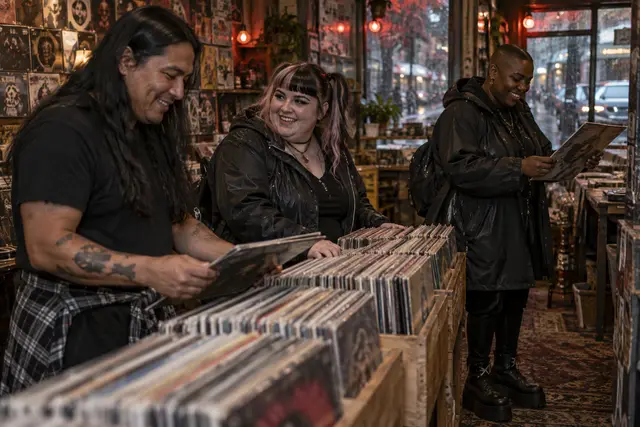
Go here when you want: weird jackets, old tees, unexpected textures, vinyl bins, and the sacred alt ritual of saying “I don’t need this” while clearly needing it spiritually.
Best move: build outfits around one find. A vintage blazer, silver belt, worn-in leather jacket, oversized flannel or strange patterned shirt can do more than a cart full of forgettable fast fashion.
Tangent Gallery and Milwaukee Junction: art kid darkness, DJs and big-room weirdness
Tangent Gallery is one of those Detroit spaces where the room itself feels like part of the event. Listings in 2026 show FLASHBACK at Tangent Gallery billed around old-school goth, industrial, EBM, post-punk, new wave, alternative and punk, while other listings show industrial and EBM-leaning events at the venue. (misfy.ai)
Go here when you want: a bigger art-space feeling, themed nights, goth and industrial crossovers, and events that may include DJs, visual weirdness, vendors or mixed-scene crowds.
Best move: check entry details and age rules before you go. Some events are all about dancing; others are part of a larger art or performance night. Detroit venues can change the mood dramatically from one weekend to the next.
This area also connects nicely to Detroit’s broader art-and-music ecosystem. North End and Milwaukee Junction are tied to techno history and current creative spaces, and Visit Detroit highlights the North End as connected to both techno and Detroit’s automotive past. (visitdetroit.com)
Translation: yes, you can absolutely make a full day out of records, art, dinner, and then dancing like your skeleton has unfinished business.
Corktown, Outer Limits and the punk-adjacent route
Corktown and nearby Detroit pockets are good when you want the night to feel scrappier. Outer Limits Lounge is especially worth watching if your tastes run punk, synth-punk, noise, garage or underground rock. Its current event listings include punk descriptions and EBM/synth-punk references, while Resident Advisor has listed an Industrial Detroit event there with industrial, EBM and darkwave connections. (outerlimitslounge.com)
Go here when you want: smaller-room chaos, local bands, punk shows, less polish, and the type of night where someone says, “This is going to be weird,” and they mean it as a compliment.
Best move: follow the venue calendar and local promoters. Punk and underground shows often live by flyers, last-minute shares, and “my friend’s band is on second” intelligence networks.
Corktown also has places that are not strictly goth but are useful for alt people because they host DJs, live music, art events or low-pressure hangs. The trick is to stop searching only for “goth bar” and start searching for the ingredients: dark music, independent venues, strange art, vinyl, vintage, and people who dress like they have strong opinions about fonts.
Cass Corridor and Midtown: records, art and pre-show wandering
For a daytime route, Third Man Records Cass Corridor is one of Detroit’s most polished music stops. The official Third Man page says the Detroit location opened in 2015 with a record and novelties lounge, mastering studio and pressing facility; Visit Detroit also notes its record store, in-store performance stage, record booth and viewing windows into vinyl pressing. (thirdmanrecords.com)
Go here when you want: records, Detroit music history, design candy, and a place to take an out-of-town alt friend who wants something iconic but not tourist-trap bland.
Best move: make it a pre-show ritual. Pick a record, browse the oddities, then head toward dinner or a venue. If your profile needs a song that says “mysterious but emotionally available on alternating Thursdays,” our guide to picking a profile song can help.
Midtown and Cass Corridor are also useful for art spaces, coffee, bookstores and galleries. Not every alt hangout needs a loud PA. Sometimes the scene is two people in black coats silently judging a painting, then spending twenty minutes talking about a band they both thought nobody else knew.
Royal Oak, Ferndale and the metro-alt orbit
Not everything lives inside Detroit city limits. Metro Detroit’s alt map stretches into Royal Oak, Ferndale, Pontiac, Ann Arbor, Dearborn and beyond. This matters because touring bands, specialty shops and goth-adjacent crowds often rotate through suburbs and satellite venues.
Noir Leather is the big name for dark fashion, leather and fetish-adjacent style in the metro area. Its official site calls it Detroit’s original alternative boutique and fetish shop, and current sources describe it as a long-running brick-and-mortar boutique with deep ties to local alternative culture. (noirleather.com)
Go here when you want: leather, accessories, clubwear inspiration, dramatic texture, and the reminder that one good harness-style detail can outperform twelve mediocre necklaces.
Best move: keep it respectful and adult. Specialty shops are not a zoo, and the people shopping there are not props. Ask staff questions, understand the difference between fashion and function, and do not make weird comments to strangers. Easy.
Ferndale and Royal Oak also support record stores, vintage shops, theaters and touring shows. If a band skips Detroit proper, there is a decent chance the metro area still catches it somewhere nearby.
Detroit goth nights by mood: where to start
Here is a practical cheat sheet. Always check current calendars and socials before going, because Detroit’s best nights can move, pause or change themes.
| Your mood | Try looking for | Likely zone |
|---|---|---|
| Classic goth dancing | Goth, post-punk, darkwave, deathrock, new wave | Hamtramck, Tangent Gallery, rotating nights |
| Stompier club energy | Industrial, EBM, dark techno, cyber, aggrotech | The Strays, Tangent Gallery, rotating promoters |
| Heavy shows | Hardcore, metalcore, punk, metal | The Sanctuary/TSDMAAC, Small’s, metro venues |
| Weird local bills | Synth-punk, noise, garage, experimental | Outer Limits, Hamtramck rooms, DIY spaces |
| Daytime alt shopping | Vintage, records, leather, rock clothing | Hamtramck, Cass Corridor, Royal Oak |
| Soft social entry | Small shows, record stores, chat rooms, art events | Anywhere with lower pressure |
If you are brand new, pick a night by sound first, not by label. “Goth night” can mean classic batcave. It can also mean dark electronic, industrial, synthpop, post-punk or a mixed alternative party. None of those are wrong. They are just different shoes for different floors.
How to meet people in the Detroit alt scene without feeling like a lost Victorian ghost
Detroit can be friendly, but it is not always instant-friendly. People may not rush you with sparkle-bat hospitality the second you enter a room. That does not mean they hate you. It may mean they are watching the DJ, waiting for their friend, protecting their social battery, or wondering why the fog machine sounds like an appliance from a cursed basement.
Try this:
- Become recognizable. Go to the same monthly night a few times. Scene trust builds through repetition.
- Compliment specifics. “Your jacket rules” works better than “You look goth,” which can sound like you are labeling a museum exhibit.
- Ask music questions. “Do you know who this is?” is a classic dance-floor bridge.
- Support the boring stuff. Tip, buy tickets early when you can, share flyers, respect staff, don’t block doors, don’t film strangers without asking.
- Use online spaces lightly. Alt Chat can be a good way to meet goth, emo, punk, metal and other alternative people before you try to coordinate a show. Keep it low-pressure: “Anyone going to darkwave night?” is better than a dramatic monologue typed at 2:13 a.m. under a cursed moon.
If you are nervous, bring one small mission: hear three songs you like, say one nice thing to one person, or find one flyer for a future event. That counts. You do not have to leave with a coven, a partner, a band, and a new identity by midnight.
What to wear in Detroit: practical darkness wins
Detroit weather has no respect for your delicate outfit lore. Winter can bully your lace. Summer can turn vinyl into a personal sauna. Sidewalks may test your boots like a tiny municipal obstacle course.
Good Detroit alt outfits usually balance style and survival:
- Boots you can actually walk in. Platforms are fine if you can handle stairs, parking lots and post-show food missions.
- Layers. A mesh top under a jacket, a hoodie under a coat, a vest over a band tee. Detroit nights change temperature and mood.
- One strong piece. A coat, belt, necklace, hat, harness-style accessory, patched jacket or dramatic sleeve can carry the look.
- Ear protection. Not sexy in theory. Extremely sexy when you can still hear your favorite darkwave bassline in ten years.
- A small bag. Enough for ID, keys, phone, earplugs and lipstick. Not enough to become a portable closet.
If you are building a local look, Detroit rewards texture: denim, leather, wool, worn cotton, hardware, thrifted blazers, beat-up boots, black workwear, silver, old band tees, and pieces that look like they have survived at least one basement show and one emotional conversation in a parking lot.
For more outfit fuel, our goth outfit ideas guide is useful before you start panic-changing 46 minutes before doors.
A perfect Detroit alt weekend plan
Friday: Hamtramck starter pack
Start with dinner in Hamtramck, then browse a vintage shop if it is open. Check The Strays, Small’s and nearby venues for darkwave, industrial, punk or touring shows. If nothing goth-specific is happening, go to the best punk or heavy bill. Detroit scenes overlap enough that you can still meet your people at a show that is only 60% your exact flavor.
Post-show, do not force the night into legend status. Sometimes the win is simply learning the room, recognizing a DJ name, or finding out where everyone goes next time.
Saturday: records, outfit upgrade, bigger night
Hit Third Man Records in Cass Corridor or another record stop. Build the night’s outfit around one thing you found or already love. Then check Tangent Gallery, The Strays, Small’s, The Sanctuary, Outer Limits and touring calendars.
If there is a goth/industrial night, great. If there is a metal show, also great. If there is a horror art market, experimental noise bill or punk fest, extremely Detroit.
Sunday: soft landing
Keep Sunday low drama. Go thrifting, clean your boots, add someone you met, send a “good seeing you last night” message, or post the flyer for the next thing. Scenes survive because people keep showing up after the big dramatic Saturday.
This is also a good time to use Alt Chat for low-pressure follow-up. A profile Anthem can say a lot before you type anything, especially if you choose something that matches your actual vibe instead of trying to impress the imaginary council of goth elders.
Safety, etiquette and not being that person
Detroit’s alt scene is full of good people, but normal nightlife rules still apply.
- Tell someone where you are going if you are meeting a new person.
- Watch your drink and your stuff.
- Ask before touching outfits, hair, tattoos, piercings or accessories.
- Do not photograph strangers like they are décor.
- Respect the door, bartenders, security, DJs and sound people.
- If a pit opens, understand the room before joining.
- If someone is not interested in talking, let them be.
- If you are flirting, be direct but chill. “Want to talk outside where it’s quieter?” beats looming like a romantic gargoyle.
For online-to-IRL plans, keep it simple: meet in public, make your own transportation plan, and trust your gut if something feels off. Our online dating safety tips cover the basics without killing the vibe.
The Detroit scene attitude: tough, warm, allergic to posing contests
Detroit is not the place to act like you personally invented darkness because you own a long coat. People here tend to respect showing up more than peacocking. If you support local nights, buy records, pay covers, share flyers, help friends get home, and treat strangers like humans, you are doing scene stuff correctly.
You also do not need to pass a purity test. Trad goths, deathrockers, rivetheads, metalheads, punks, emo adults, grunge kids-at-heart, cyber creatures, romantic vampires, casual black-tee people and “I only dress up once a month but I love the music” folks can all fit somewhere in Detroit’s alt ecosystem.
The post-City Club era is bittersweet, but it is also interesting. A legendary room closed, and instead of disappearing, the scene became a map: Hamtramck bars, Tangent dance floors, Sanctuary heavy shows, Outer Limits weird bills, Cass Corridor records, Royal Oak leather, vintage racks, group chats, parking-lot conversations, and new flyers appearing when you thought nothing was happening.
That is very Detroit. The machine breaks. Somebody fixes it with tape, bass, stubbornness and black eyeliner. Then everyone dances anyway.
FAQ
Does Detroit still have a goth scene after City Club?
Yes. The goth scene in Detroit shifted after Leland City Club’s 2025 closure, but darkwave, industrial, EBM and goth-adjacent nights continue around Hamtramck, Tangent Gallery and other venues. Check each venue’s socials before you go because lineups move around. ([quarterdetroit.com](https://www.quarterdetroit.com/place/?lang=en&slug=leland-city-club&utm_source=openai))
Where are the best areas for goth and alt nightlife in Detroit?
Hamtramck is the easiest starting point because several punk, metal, darkwave and vintage stops sit close together. Midtown, North End/Milwaukee Junction and Corktown are also useful depending on the show, record store or art event you want. ([sanctuarydetroit.com](https://sanctuarydetroit.com/about/?utm_source=openai))
What should I wear to a Detroit goth night?
Wear what lets you dance, stand, walk and exist comfortably: boots you trust, layers for winter, and enough personal style to feel like yourself. Detroit alt nights are more about showing up with good energy than proving you own the rarest bat belt on Earth.
How do I meet goth or alt people in Detroit if I’m new?
Start with smaller nights, record shops, punk shows and recurring events where you can become a familiar face. If you want a softer first step, use online spaces like Alt Chat to talk with alternative people before making IRL plans.