Goth Club Music Guide: Darkwave, EBM and Dance Floor Songs
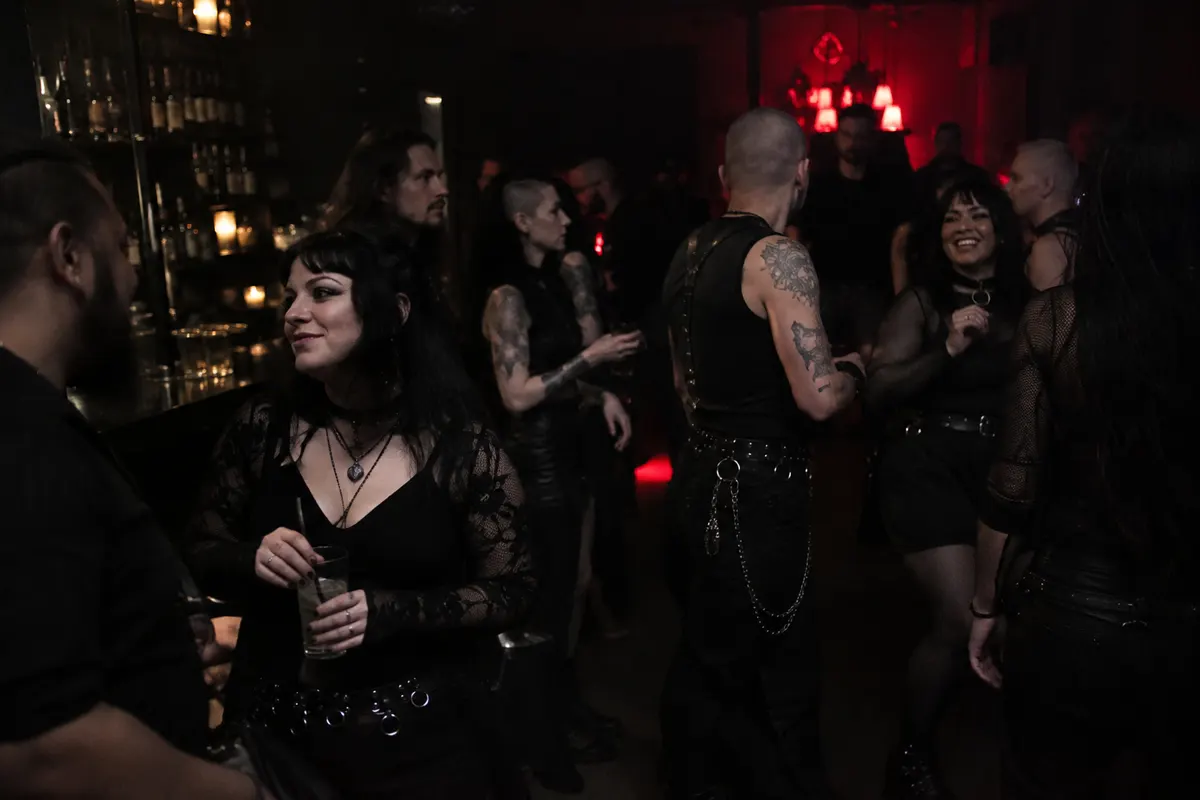
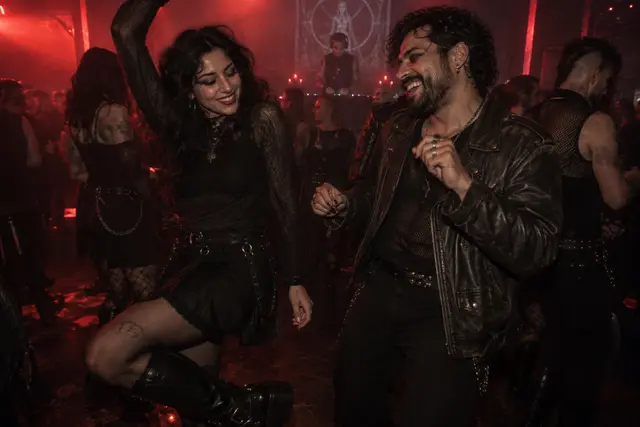
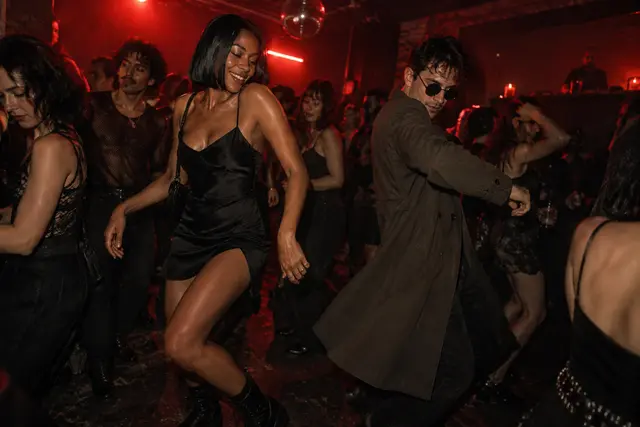
Goth club music is not one sound. It is the moment when a bassline crawls across the floor, the fog machine starts working overtime, and suddenly the person in the dramatic coat is moving like they have been summoned by a drum machine.
This guide is for the curious listener, the shy first-timer, the playlist gremlin, and the person who wants to request something better than the one song every DJ has heard 6,000 times. We are mapping the dance floor: darkwave, EBM, industrial, deathrock, synthpop, modern post-punk, and the weird little bridges between them.
Why goth club music feels huge again
A funny thing happened: the internet found the fog machine.
Darkwave and post-punk were never gone, but the 2020s pushed them into places where new listeners could stumble into the scene without first being handed a sacred list by someone in a velvet jacket. The Guardian wrote about darkwave getting bundled into a wider pop conversation, noting that Spotify’s darkwave labeling has placed newer artists like Mareux, Boy Harsher, Twin Tribes, Molchat Doma and Pastel Ghost near older names like The Cure and Depeche Mode. It also pointed to songs by Mareux and Molchat Doma spreading through social video culture before some listeners even knew the word darkwave. (theguardian.com)
That matters because people are not just asking, “What is goth?” They are asking, “What is that cold synth song from the edit?” “What do they play at goth clubs?” “Why does this bassline make me want to walk through a parking garage in slow motion?” Beautiful questions. Horrible parking garage lighting. Excellent taste.
The scene itself is active, not frozen in 1985. Molchat Doma released Belaya Polosa in 2024 through Sacred Bones, Twin Tribes released Pendulum in 2024, Cold Cave’s Passion Depression landed in 2024, and She Past Away released Mizantrop in 2026. Those are not dusty museum placards; they are living records feeding current playlists, profile songs, late-night drives and dance floors. (molchatdoma.com)
If you want the family tree version, start with our goth music genres guide. If you want the room-at-1-a.m. version, stay here. The floor is opening.
The goth dance floor map
A good goth night is not just “sad music, but louder.” It usually moves through lanes. Some nights are trad-heavy. Some are darkwave candy stores. Some are industrial gyms for people who own too many buckles. Many mix everything.
| Lane | What it feels like | Common ingredients | When it hits best |
|---|---|---|---|
| Classic goth rock | Dramatic, guitar-led, cathedral-shaped | Big bass, baritone vocals, chiming guitars, smoke | Early peak or grand finale |
| Deathrock | Spiky, campy, skeletal, punky | Scratchy guitars, yelps, horror energy | When the floor needs claws |
| Darkwave / coldwave | Cold, romantic, neon-lit | Drum machines, icy synths, moody vocals | The first big wave of dancing |
| EBM | Stompy, commanding, sweaty | Military-tight beats, bass sequences, shouted vocals | When everyone stops posing and starts moving |
| Industrial dance | Mechanical, heavy, chaotic | Samples, distortion, hard percussion | Late-night pressure cooker time |
| Minimal synth / synthpop | Sleek, stylish, lonely in chrome | Analog synth lines, clean hooks, icy melody | Transition moments and sing-alongs |
| Dark alt-pop crossover | Accessible but shadowy | Pop structure, dark production, hook-first writing | Newcomer-friendly bridges |
None of these lanes has a velvet rope around it. DJs blend them because bodies do not dance in Wikipedia categories. A Sisters of Mercy track can slide into a modern darkwave cut. A Boy Harsher song can make sense next to classic EBM. A deathrock track can kick the room awake after too much elegant swaying.
The older bones are important, though. The Sisters of Mercy’s Floodland arrived in 1987 and became one of the big reference points for dramatic, danceable goth rock. Front 242’s official history describes Front by Front and tracks like “Headhunter” as central to the Belgian group’s international breakthrough and their status as electronic innovators. (media.rhino.com)
Translation: the dance floor has ancestry. It also has Wi-Fi, platform boots and somebody filming three seconds for a story before immediately losing the beat.
The starter crate: goth club songs by mood
This is not a “best songs ever” list. That fight belongs in a booth, over fries, after midnight. This is a practical crate: songs and artists that help you understand what different corners of goth club music actually do.
1. The classic shadows
Start here when you want the dramatic DNA.
- Bauhaus — “Bela Lugosi’s Dead”: The long, spooky doorway. Not always a practical dance-floor banger, but it is the foggy ancestor in the portrait.
- The Sisters of Mercy — “This Corrosion”: Huge, theatrical, and built for people who enjoy entering rooms emotionally.
- The Sisters of Mercy — “Lucretia My Reflection”: Bassline-forward and easier to move to than people expect.
- Siouxsie and the Banshees — “Cities in Dust”: Bright enough to pull in the shy dancers, sharp enough to keep the bats happy.
- The Cure — “A Forest”: Hypnotic, patient, and perfect when the room needs to stop shouting and start drifting.
Use these like black candles: a few create atmosphere; too many can make the room feel like a shrine. Mix them with current tracks so the night breathes.
2. Darkwave for the night-drive heart
Darkwave is where many newer listeners enter now. It is melodic enough to hook you fast, but still cold enough to make your reflection look suspicious.
- She Past Away — “Kasvetli Kutlama”: Turkish darkwave with a hard, elegant pulse.
- She Past Away — “Ritüel”: A floor-friendly track that feels like black lace made of electricity.
- She Past Away — “Mizantrop”: From the 2026 album Mizantrop, which confirmed the band is still feeding the modern darkwave machine. (music.apple.com)
- Twin Tribes — “Monolith”: Darkwave with a big-room spine.
- Twin Tribes — “Cauldron of Thorns”: Romantic, dramatic and very “I have made eye contact with the fog.”
- Molchat Doma — “Sudno (Boris Ryzhy)”: The internet gateway track for many listeners.
- Molchat Doma — “Son”: A strong entry point from Belaya Polosa, the band’s 2024 fourth album. (molchatdoma.com)
- Boy Harsher — “Pain”: Minimal, tense and ridiculously effective in a room.
- Boy Harsher — “Face the Fire”: Less stomp, more cinematic night drive.
- Drab Majesty — “Dot in the Sky”: Dreamy, androgynous, silver-lit.
If your taste lives here, you probably enjoy a playlist that sounds like a city at 2:17 a.m. You also might have strong opinions about reverb, even if you call it “the pretty ghost sound.” For a deeper artist rabbit hole, try our guide to darkwave artists.
3. EBM when the boots start arguing with the floor
EBM is not here to float. EBM is here to march into your ribcage and organize your skeleton.
- Front 242 — “Headhunter”: Essential, hard-edged and historically massive in EBM circles. Front 242’s own history names “Headhunter” among the tracks tied to the band’s breakthrough. (front242.com)
- Nitzer Ebb — “Join in the Chant”: The sound of a warehouse developing a workout plan.
- DAF — “Der Mussolini”: Minimal, provocative and foundational to the body-music attitude.
- The Klinik — “Moving Hands”: Cold, repetitive and perfect for people who dance like they are operating machinery.
- Front Line Assembly — “Mindphaser”: More industrial, more sci-fi, more “cyborg having a bad evening.”
- Kontravoid — “Too Deep”: Modern body music with a masked, synth-driven menace.
- Kanga — “Going Red”: Sleek industrial-pop energy with bite.
- Spike Hellis — “Mouth”: Newer, grimy and excellent for late-night pressure.
EBM dancers often look serious, but do not be fooled. Inside, many are just golden retrievers in black cargo pants, thrilled that the beat finally got bossy.
4. Industrial and dark electronic pressure
Industrial can mean many things, from clanging experimental art to club-friendly electronic punishment. In a goth club context, you will often hear the danceable side.
- Ministry — “Every Day Is Halloween”: A strange, beloved bridge between synthpop weirdness and industrial future-shock.
- Skinny Puppy — “Assimilate”: Harsh, theatrical and influential.
- Nine Inch Nails — “Sin”: A crossover track that still lands in many dark rooms.
- My Life With the Thrill Kill Kult — “A Daisy Chain 4 Satan”: Campy, sleazy, sample-heavy club chaos.
- Youth Code — “Consuming Guilt”: Modern industrial with hardcore intensity.
- HEALTH — “STONEFIST”: Noise-pop muscle for dark alternative sets.
Industrial can scare off newcomers if a DJ goes too hard too fast. But used well, it is the thunderstorm section of the night. Everybody’s eyeliner becomes weatherproof by force.
If this lane grabs you, our industrial music beginner’s guide will save you from pretending you already know every side project with a three-letter acronym.
5. Deathrock and batcave chaos
Deathrock is for people who like their goth with punk bones, horror theater and hair that seems to have achieved sentience.
- 45 Grave — “Partytime”: Camp, horror and punk sneer.
- Christian Death — “Spiritual Cramp”: Jagged and dramatic.
- Specimen — “Kiss Kiss Bang Bang”: Glammy, weird and club-friendly.
- Kommunity FK — “Something Inside Me Has Died”: Classic deathrock mood, no soft landing.
- Horror Vacui — “In Darkness You Will Feel Alright”: Modern deathrock with old-school bite.
- Nox Novacula — “Last Will and Testament”: Sharp, theatrical and very much alive.
Deathrock is a reminder that goth was never only elegant sadness. Sometimes it is a skeleton doing punk karaoke in a haunted basement, and honestly, good for the skeleton.
6. The dark-pop bridge for mixed rooms
Every night has someone who came with a friend and is still deciding if they are brave enough to dance. The bridge tracks matter.
- Depeche Mode — “Strangelove”: Smooth, dark, familiar.
- New Order — “Blue Monday”: Not goth exactly, but a reliable dance-floor connector.
- Soft Cell — “Sex Dwarf”: Weird synth club history with a wink.
- Mareux — “The Perfect Girl”: A modern gateway for many listeners who found darkwave through short-form video culture; The Guardian noted the track’s social-media afterlife in its darkwave feature. (theguardian.com)
- Cold Cave — “A Little Death to Laugh”: Romantic synth gloom with a hook.
- Cold Cave — “She Reigns Down”: From Passion Depression, which Cold Cave’s official site lists as out now with its 2024 date. (coldcave.net)
These songs are useful because they invite people in without sanding off all the darkness. Think of them as the nice friend who introduces you to the intimidating friend group and then vanishes to dance under a red light.
How to recognize what you are hearing
You do not need a degree in spooky audio studies. Use the “body test.”
If your shoulders move first
You are probably in darkwave, synthpop or minimal synth territory. The beat is clear, but the mood is melodic. The body sways before it stomps. You might feel like walking dramatically past a window, even indoors.
If your feet move first
That is often EBM or industrial dance. The kick is more commanding. The bass sequence feels like it has a clipboard. People may start doing the stomp: small steps, grounded knees, serious face, secret joy.
If your hands become claws
Deathrock has entered the chat. The guitars are scratchier, the vocals are more theatrical, and the energy has punk elbows.
If your soul leaves your body but politely
Classic goth rock. Big bass, sweeping drama, and a sense that somebody should be standing on a balcony even if the venue has no balcony.
If everyone suddenly sings the hook
You are in crossover territory: Depeche Mode, The Cure, New Order, maybe a modern dark-pop track. This is not a betrayal of the scene. It is community karaoke for people who pretend they are too cool for community karaoke.
How DJs build a goth club night
A strong goth club set is a story. Not a clean story. More like a diary found in a jacket at coat check. But it has movement.
| Phase | Energy | What works |
|---|---|---|
| Doors / early floor | 2–4 | Dreamy darkwave, post-punk, minimal synth, familiar mood-setters |
| First lift | 5–6 | Danceable classics, She Past Away, Twin Tribes, Boy Harsher, Molchat Doma |
| Peak one | 7–8 | EBM, harder darkwave, industrial-pop, big sing-alongs |
| The tunnel | 8–9 | Industrial, body music, harder edits, sweaty stompers |
| Release | 6–7 | Romantic synthpop, classic goth rock, emotional darkwave |
| Final spell | 5–8 | One dramatic closer, one beloved anthem, one “I cannot believe they played this” cut |
The best DJs read the room. If everyone is swaying beautifully, they may glide deeper. If the floor thins, they might drop a recognizable hook. If the crowd looks too cool to move, a smart DJ may deploy EBM and force the boots into labor.
That is also why requesting songs is an art. A good request fits the room’s current lane. A bad request is demanding a seven-minute dirge during peak stomp time, then looking betrayed when the DJ does not instantly reshape reality.
Request etiquette: how not to be the villain at the booth
DJs are not jukeboxes with eyeliner. They are building momentum, solving tiny energy puzzles, and trying to keep a room alive.
Try this:
- Ask once, nicely. “If it fits later, could you play Twin Tribes?” is perfect.
- Name one song or artist. Do not hand over a dissertation titled My Emotional Needs in Twelve Tracks.
- Read the room. If everyone is stomping to EBM, do not request the slowest song in your breakup playlist.
- Do not hover. The booth is not a customer service desk.
- Tip if tipping is normal there. Not every place does it the same way, but kindness is always in stock.
- Accept no. Sometimes your song is wrong for the set, unavailable, already played, or simply cursed by timing.
Good request: “Could you play Boy Harsher if it fits?”
Bad request: “Can you play something good?”
Legendary bad request: “Can you connect to my phone?”
At that point, the fog machine should be allowed to hiss directly at you.
Dancing to goth club music without feeling awkward
First: almost everyone feels weird for the first three minutes. Then the beat takes over, or you decide to become a mysterious statue. Both are accepted.
The darkwave sway
Keep your feet simple. Let the shoulders and hips follow the pulse. Hands can stay low, float a little, or perform small haunted-bird gestures. Do not overthink it. Darkwave dancing is often just “walking through emotional weather” with better bass.
The EBM stomp
Plant your feet. Step forward and back. Keep the movement compact. Add arms when the beat demands it. The goal is not to win a dance contest. The goal is to look like a factory machine discovered feelings.
The deathrock flail
Deathrock allows more angles. Elbows, claws, head tilts, dramatic spins. Keep awareness of the people around you. Spooky does not mean bonking a stranger in the face with a bracelet.
The classic goth float
This is for the big, sweeping tracks. Slow arms. Long lines. Dramatic turns. Imagine you are a curtain in an abandoned mansion, but with better shoes.
The shy-person method
Stand near the edge. Move one foot. Then the other. Nod. Sway. Graduate to shoulders. Congratulations: you are dancing. Nobody gets to revoke your bat card.
Building your own goth club playlist
A home playlist should not feel like a spreadsheet wearing fishnets. Give it an arc.
The five-act playlist formula
Act 1: Fog rolls in
Start with atmosphere: The Cure, Drab Majesty, Lebanon Hanover, Linea Aspera, Soft Kill. You want people to enter the room mentally, even if the room is your kitchen and someone is microwaving leftovers.
Act 2: The floor wakes up
Move into steady darkwave: She Past Away, Twin Tribes, Boy Harsher, Molchat Doma, Ash Code, Minuit Machine. Keep the beats consistent enough that nobody has to relearn how legs work every three minutes.
Act 3: Boots take command
Bring in EBM and industrial: Front 242, Nitzer Ebb, DAF, Kontravoid, Youth Code, Spike Hellis. This is the section where your playlist stops flirting and starts issuing instructions.
Act 4: Neon confession booth
Drop into emotional synthpop and dark alt-pop: Depeche Mode, Cold Cave, Mareux, TR/ST, Light Asylum. This keeps the set from becoming one long mechanical hallway.
Act 5: The last candle
End with drama. Maybe The Sisters of Mercy. Maybe a Cure track. Maybe a modern darkwave closer that feels like walking home under streetlights. Do not end with a random novelty song unless chaos is your brand.
For a broader song bank, steal ideas from our perfect alt playlist guide. Respectfully steal. Like a raccoon with taste.
What your goth club music taste says about you
This is science in the same way eyeliner wings are architecture: spiritually true, structurally risky.
You love classic goth rock
You are dramatic, but you call it “having atmosphere.” You appreciate basslines that wear long coats. You probably enjoy old cemeteries, big choruses and saying, “This one is actually really danceable,” before playing a six-minute track.
You love darkwave
You want sadness with a motor. You like romance, but only if it arrives through a cold synth pad and a drum machine. Your ideal evening is half night drive, half meaningful glance across a room.
You love EBM
You are practical in a terrifying way. You hear a kick drum and immediately understand your purpose. You may own boots that could survive a minor apocalypse. You are less gloomy than people think; you just prefer joy with a bass sequence.
You love industrial
You like texture, noise, machines and emotional catharsis that sounds like a warehouse having a nervous breakdown. Your playlist transitions are bold. Your friends trust you with aux privileges only under supervision.
You love deathrock
You are the fun kind of spooky. You appreciate camp, chaos, punk energy and hair that defies weather systems. You are probably the person who turns a normal group photo into an album cover by accident.
You love the crossover hits
You are the bridge friend. You get people onto the floor. You know that a dark room still needs hooks. You are not less alt because you enjoy a chorus. You are useful, powerful and possibly holding the whole night together.
How goth club music works on a profile or in a chat
A song says a lot before you type a word. On Alt Chat, profiles can have an Anthem, so your chosen YouTube music video can turn your page into a tiny mood-lit room. Pick something that signals your actual vibe, not something you think will impress the strictest imaginary goth at the door.
A few examples:
- “I want dark romance”: Cold Cave, Drab Majesty, The Cure, Twin Tribes.
- “I want dance-floor energy”: Boy Harsher, She Past Away, Front 242, Kontravoid.
- “I want weird art-school bat energy”: Specimen, Virgin Prunes, Xmal Deutschland, early deathrock.
- “I want modern night-drive sadness”: Molchat Doma, Mareux, Lebanon Hanover, Minuit Machine.
- “I want them to know I am serious about the stomp”: Nitzer Ebb, DAF, Youth Code, Spike Hellis.
Your Anthem can also be a conversation starter. “That track is your profile song?” is much easier than “Hi” and less cursed than sending a skull emoji with no context.
Common goth club music mistakes
Mistake 1: Thinking goth club music is only old
The classics matter, but the modern scene is busy. She Past Away, Twin Tribes, Molchat Doma, Boy Harsher, Cold Cave, Sextile and many others have kept dark dance floors fed with new material across the 2010s and 2020s. Sextile’s Push came out in 2023 on Sacred Bones, and Apple Music lists the album at 11 songs and 34 minutes; it is a good example of punk-electronic energy that can slide into darker dance contexts. (music.apple.com)
Mistake 2: Treating genre labels like weapons
If someone calls a song darkwave and you think it is more minimal synth, you can simply keep dancing. No need to appear from the rafters with a correction. Labels are useful maps, not tiny courts of law.
Mistake 3: Only playing the biggest songs
A playlist with only anthems gets exhausting. You need valleys, bridges and strange little left turns. The deep cut after the obvious hit is where personality lives.
Mistake 4: Confusing darkness with boredom
A song can be gloomy and still move. In fact, the best goth club music often turns heavy feelings into motion. That is the whole trick: sadness gets a beat, anxiety gets a bassline, loneliness gets a room full of people dressed like beautiful storm clouds.
Mistake 5: Acting like newcomers ruin the scene
New people keep scenes alive. Some arrive through TikTok. Some arrive through an older sibling’s CD stash. Some arrive because a date dragged them out and they accidentally fell in love with a drum machine. Gatekeeping every doorway just leaves you alone in a very well-curated empty room.
A simple first-night survival plan
If you are going to a goth club night for the first time, keep it easy.
- Wear shoes you can actually stand in.
- Check the event’s socials before going, because themes and rooms change.
- Bring ear protection if loud rooms drain you.
- Do not worry about having the “right” outfit. Black helps, comfort helps more.
- Watch the floor for one song before joining.
- If someone is dancing alone, that does not automatically mean they want company.
- Compliment specifics: “Your jacket is sick” beats hovering silently like a cursed lamp.
- If you feel awkward, take a break. The wall is not failure. The wall is a respected goth institution.
If you meet someone cool, ask about music. People may freeze at “Tell me about yourself,” but they can talk for fifteen minutes about the first time they heard a bassline that rewired their personality. If you want more social tips, our guide on making friends at concerts pairs nicely with this one.
The real secret: goth club music is community technology
At its best, goth club music turns private moods into shared movement. You walk in carrying your little cloud. Someone else has their cloud. The DJ adds a beat, and suddenly the weather has choreography.
That is why the mix matters. Classic goth rock gives the room mythology. Darkwave gives it romance. EBM gives it a spine. Industrial gives it pressure. Deathrock gives it teeth. Synthpop gives it hooks. New bands give it blood flow.
You do not need to know every release date, every subgenre argument or every sacred track before you show up. Learn a few anchors. Follow the bass. Be kind to the DJ. Let the first awkward three minutes pass.
Then, when the right song hits, move like the fog machine personally invited you.
FAQ
What is goth club music?
Goth club music is the dark dance-floor side of goth and adjacent scenes. A night might mix classic goth rock, deathrock, darkwave, coldwave, EBM, industrial, synthpop and newer dark electronic tracks.
What is the difference between darkwave and EBM?
Darkwave usually leans moody, melodic and synth-heavy, often with post-punk or goth vocals. EBM is more physical and beat-driven, with punchy basslines, commands, stomps and a tougher electronic feel.
What should I request at a goth club?
Pick one song that fits the room instead of asking the DJ to change the whole vibe. If the floor is on darkwave, try Twin Tribes, She Past Away or Boy Harsher; if it is stompy, try Front 242, Nitzer Ebb or a newer EBM-friendly track.
How do I start a goth club playlist?
Build it in waves: a moody opener, a few recognizable classics, a darkwave section, a harder EBM or industrial run, then a dramatic final stretch. Mix familiar anchors with new tracks so the playlist feels alive, not like a museum.