BDSM Aftercare for Beginners: A Soft Landing Guide

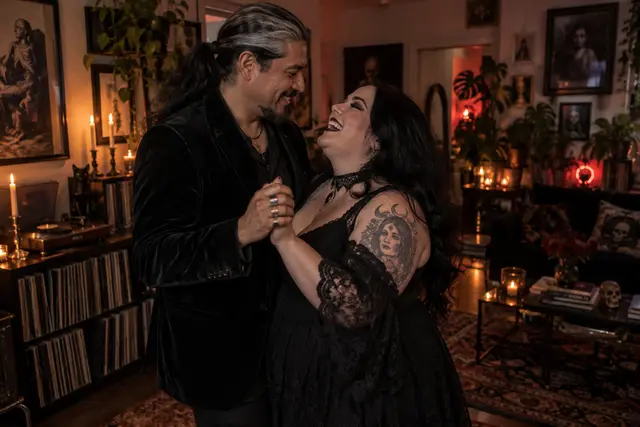
Kink can look dramatic from the outside: black leather, sharp eyeliner, big feelings, big trust. But the part beginners are searching for more and more is the softer landing afterward: BDSM aftercare.
Think of it like leaving a loud show and sitting on the curb with your friends, ears ringing, feet tired, heart still buzzing. You are safe, but your body needs a minute to come back to earth.
What BDSM aftercare actually means
BDSM aftercare is the care people give each other after a scene, power exchange, or intense kinky experience. It can be emotional, physical, practical, or all three. The big idea is simple: you do not just create intensity and then vanish like a mysterious vampire with bad texting habits.
Aftercare is part of the consent conversation, not a bonus prize for being “good” at kink. Columbia Health’s Go Ask Alice notes that BDSM consent includes being able to express desires, boundaries, emotional triggers and preferred aftercare, and that safewords should be established before play starts. (goaskalice.columbia.edu) The Eulenspiegel Society also describes aftercare as post-scene activity or processing, with styles that vary from person to person. (tes.org)
In regular human terms: ask first, check during, care after.
If you are meeting people online, the same safety brain still applies. Keep the vibe flirty if you want, but do not skip the basics from online dating safety tips: meet thoughtfully, trust your gut, and do not let anyone rush you past your comfort zone.
Why aftercare matters, even when the scene was gentle
Beginners sometimes think aftercare is only for extreme scenes. Nope. A scene can be mild on paper and still feel huge inside. Kink can involve vulnerability, roleplay, nerves, adrenaline, laughter, embarrassment, confidence, trust, and the weird little gremlin voice that says, “Wait, was I too much?”
Aftercare gives that gremlin a tiny blanket and tells it to chill.
Good aftercare can help people:
- feel respected after being vulnerable
- return to regular conversation without awkward whiplash
- notice if something felt off
- celebrate what went well
- build trust for next time
- avoid the cold “so… bye?” feeling
It is not therapy. It is not a magic spell. It is basic care between adults who decided to do something intense together.
Talk about aftercare before anything happens
The least spooky sentence in kink is also the most powerful: “What kind of aftercare do you like?”
Ask before the scene, not during the emotional crash afterward. Beforehand, everyone can think clearly and name needs without pressure. The National Coalition for Sexual Freedom says informed consent includes discussing risks and ways to reduce them, including safety measures. (ncsfreedom.org) Counseling guidance on kink culture also frames scene consent as negotiation before, during and after a scene, including how consent can be changed or withdrawn and what aftercare will look like. (manifold.counseling.org)
Try questions like:
- “Afterward, do you like touch, space, talking, quiet, or a mix?”
- “Are there words or jokes that help you feel grounded?”
- “Anything you absolutely do not want afterward?”
- “Would you like a check-in text later?”
- “If one of us gets quiet, what should the other person do?”
- “Do you want snacks, water, music, a hoodie, or alone time?”
That last one may sound silly, but many great aftercare plans are 40% consent, 40% communication, and 20% carbs.
The traffic light system is your friend
A safeword is a clear word or signal that changes or stops the scene. Many people use the traffic light system:
- Green: I am good. Keep going.
- Yellow: Slow down, check in, change something.
- Red: Stop now.
The NCSF sample consent policy names “RED” and “SAFEWORD” as common universal stop words. (ncsfreedom.org) A safeword is not a challenge. It is not a debate prompt. It is not “convince me.” If someone says red, you stop.
Also, not everyone can speak clearly under stress. A safe signal can help: tapping out, dropping an object, snapping fingers, or another pre-agreed signal. Do not improvise this part like a chaotic goblin. Pick it together.
A beginner-friendly aftercare menu
No single aftercare plan fits everyone. Some people want cuddles. Some want zero touch. Some want to laugh about it while fixing their eyeliner in a cracked mirror. Some need to sit alone and stare at the wall like a haunted Victorian portrait.
Here are easy options to choose from.
Physical comfort
- Water or tea
- A snack
- A blanket or hoodie
- Help sitting up slowly
- Lower lights
- A calm playlist, no lyrics needed
- A warm shower later, if wanted
Keep it simple. You are not building a five-star spa in a crypt. You are helping bodies settle.
Emotional comfort
- “You did great.”
- “Thank you for trusting me.”
- “I’m here.”
- “Do you want quiet or words?”
- “Nothing weird happened between us.”
That last one can be huge for beginners. Kink can stir up “Am I strange?” thoughts, especially for people who grew up feeling too goth, too queer, too intense, too soft, too much. A kind sentence can land like a porch light.
Practical care
- Confirm everyone has their keys, phone and ride plan
- Check if anyone needs a break before leaving
- Put away toys or clothes without making it awkward
- Send a later check-in if you agreed to one
- Write down what to change next time
If you connected through Alt Chat, you can keep the first kink talk in private messages and then move slowly. You can also use your profile vibe, Anthem, and Realm posts to show personality before the deeper trust talks start.
Aftercare is not always cuddling
Cuddling is great for people who want it. It is also a nightmare for people who do not.
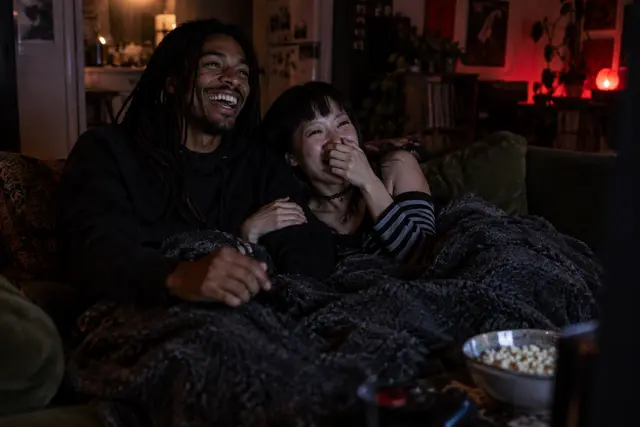
Aftercare might look like sitting next to each other without touching. It might mean one person takes ten minutes alone, then comes back for a check-in. It might mean memes, tea, silence, or making plans for a low-key horror movie date night after the emotional dust settles.
The point is consent, not a Pinterest board called “Soft Goth Kink Nest.”
Ask. Listen. Believe the answer.
Red flags after a kink scene
Some behavior is not “dominant.” It is just bad behavior in boots.
Watch out for anyone who:
- mocks your safeword
- says aftercare is “needy”
- refuses to discuss limits
- keeps pushing after you say no
- treats your first time like an audition
- says real kink means ignoring fear
- pressures you to keep secrets that make you feel unsafe
- disappears right after intense play, unless alone time was clearly agreed on
The Eulenspiegel Society’s consent reporting page lists continuing after someone says stop, uses a safeword, revokes consent, or otherwise shows they are not okay as a consent violation in its spaces. (tes.org) That is the vibe to remember: consent can change, and stopping is part of the agreement.
If something left you scared or shaken, talk to someone you trust or a local crisis line; in the U.S., you can call or text 988 for immediate support.
How to bring up aftercare without sounding like a textbook
You do not have to walk in with a clipboard like the goth hall monitor of desire. Keep it human.
Try:
- “I’m curious about kink, but I want to do it the careful way. Can we talk limits and aftercare first?”
- “If we ever try that, I’d want safewords and a check-in after.”
- “I like the fantasy, but I need the real-life version to be kind.”
- “After intense stuff, I usually need reassurance and a little quiet. What about you?”
If the person laughs at you for asking, that is useful information. Annoying, yes. Useful, also yes.
For couples already building their own rituals, aftercare can sit beside the cute stuff: matching outfits, record shopping, cemetery walks, and the cozy chaos in goth couple ideas. Kink does not replace romance. Done well, it makes room for honesty inside it.
Your first aftercare plan
Steal this. Adjust it. Make it yours.
Before:
- Name hard limits and soft limits.
- Pick safewords or signals.
- Decide what aftercare each person wants.
- Agree on a later check-in.
During:
- Check in without killing the mood.
- Respect yellow and red immediately.
- Watch body language, not just words.
After:
- Get water.
- Change the lighting or sound if needed.
- Offer the agreed comfort.
- Say one kind, grounding thing.
- Check for any “I wish we had…” notes.
- Follow up later if promised.
That is it. Not perfect. Not performative. Just caring enough to plan the landing before you jump.
Keep it dark, soft and honest
BDSM aftercare for beginners is not about being the most advanced kinkster in the room. It is about being the kind of person others can trust when the eyeliner smudges and the armor comes off.
Alt people already know aesthetics can hold tenderness. A spiked collar can sit next to a soft voice. A black outfit can come with a very real need for water, space, snacks and reassurance.
Start slow. Ask clearly. Stop when someone says stop. Then take care of each other like adults who understand that the hottest thing in the room is not danger. It is trust.
FAQ
What is BDSM aftercare for beginners?
BDSM aftercare is the care and check-in time after kinky play. For beginners, it can be as simple as water, a blanket, quiet time, reassurance, snacks, or a short talk about what felt good and what should change next time.
Do both people need aftercare in BDSM?
Yes, aftercare can be for everyone involved. Tops, bottoms, switches and observers can all have emotional or physical come-down needs after an intense scene.
What should I ask before trying BDSM aftercare?
Ask what helps them feel grounded, what they do not want, how they show stress, and how they prefer to check in later. Also agree on safewords or safe signals before anything starts.
Is aftercare required every time?
Some people want a lot of aftercare and some want very little, but it should still be discussed ahead of time. The key is not guessing; ask, agree, and respect the answer.